
In Sekiro: Shadows Die Twice, players are offered two distinct gameplay styles: stealth and direct combat, each with unique mechanics and strategic advantages that enhance the overall gaming experience. Here’s a detailed exploration of both approaches.
Stealth Gameplay in Sekiro
Stealth plays a pivotal role in Sekiro, setting it apart from other titles developed by FromSoftware. The game features true stealth mechanics, allowing players to move silently and execute stealth kills.
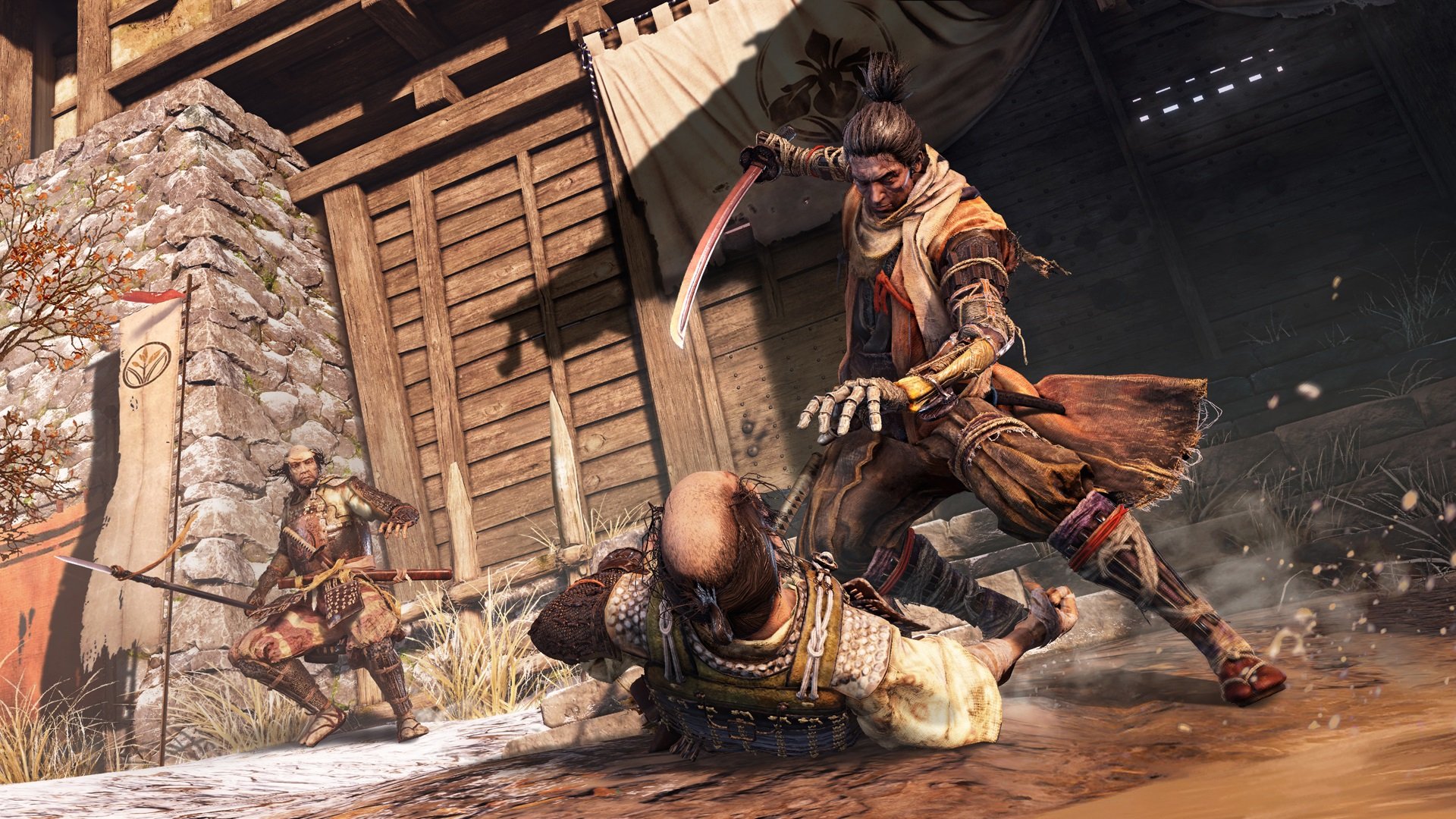
– Silent Movement and Assassinations: Players can maneuver behind enemies undetected to perform lethal stealth deathblows, particularly effective against smaller enemies. This grants the opportunity to eliminate threats without engaging in potentially dangerous direct confrontations.
– Tactical Gameplay: Stealth requires an element of planning, as players can crouch, hide in vegetation, and use special skills like Suppress Presence and Suppress Sound to remain hidden. This encourages a more methodical approach, with players able to take out enemies one by one in a calm and strategic manner.
– Reducing Threats: Utilizing stealth effectively allows players to thin out enemy numbers before entering direct combat, making encounters more manageable. In some instances, players can even bypass certain enemies altogether during exploration, which can be crucial in navigating the game’s challenging environments.
Direct Combat in Sekiro
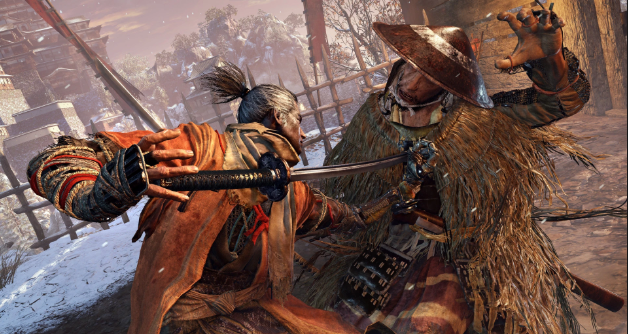
On the flip side, the game’s direct combat mechanics offer a fast-paced and intense experience that is central to its gameplay.
– Dynamic Combat System: The combat in Sekiro emphasizes one-on-one swordplay filled with rapid attacks, precise timing, and a focus on posture management. The introduction of a posture gauge creates a tactical layer, requiring players to find openings to deliver critical counterattacks once an enemy’s posture is sufficiently damaged.
– Resurrection Mechanic: One of the game’s unique features is the ability to resurrect upon death, providing players a second chance to engage enemies immediately. This mechanic heightens the intensity of combat encounters and allows for immediate retaliation after making a mistake.
– Skill and Focus: Direct combat demands a high level of skill, particularly during boss or miniboss encounters. Players must master the art of blocking, parrying, and exploiting enemy weaknesses. Combat in this style rewards aggressive play and well-timed reactions, fostering a sense of urgency and excitement.
Comparative Summary
| Aspect | Stealth Gameplay | Direct Combat |
|———————-|——————————————|——————————————-|
| Approach | Careful, methodical, and strategic planning | Aggressive, reactive, and fast-paced |
| Enemy Engagement | Silent takedowns on smaller foes | Immediate, full-on sword duels with a focus on posture and timing |
| Useful Against | Regular enemies and exploratory scenarios | Minibosses, bosses, and larger groups in open fights |
| Skills Involved | Crouching, Suppress Presence/Sound | Blocking, parrying, and posture breaking |
| Game Feel | Calm, strategic, and tension-building | Intense, skill-demanding, and punishing |
Conclusion
In summary, Sekiro: Shadows Die Twice provides a rich and multifaceted gameplay experience by incorporating both stealth and direct combat elements. Stealth allows players to approach situations with caution, thinning enemy ranks and controlling engagements. However, mastery of the intricate swordplay mechanics is imperative for tackling major threats like bosses and minibosses. This dual approach fosters a unique blend of assassination tactics and high-stakes dueling, making for an engaging and challenging adventure in the world of samurai.
:max_bytes(150000):strip_icc()/sekiro_01-2000-fc072f5f600347f4b2233e4da7926fed.jpg)
Leave a Reply