
The Posture System in Sekiro: Shadows Die Twice fundamentally redefines how players approach combat, emphasizing skill, timing, and strategic thinking over the more traditional stamina mechanics found in many action games. Below is a detailed examination of this system, its impact on combat strategy, and the various elements that players must consider.
Overview of the Posture System
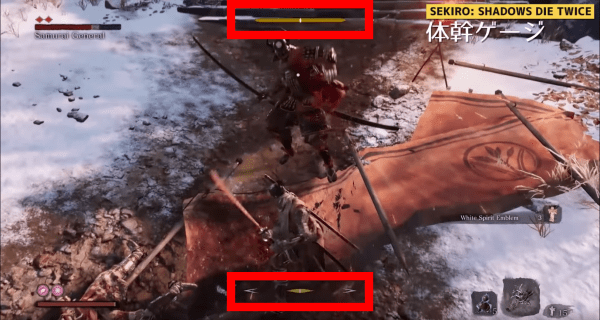
– Function: The Posture System is encapsulated in a gauge that registers when players land successful attacks or counter-attacks against enemies. When this gauge is filled, the enemy’s posture is considered broken, making them vulnerable to a Shinobi Deathblow, which inflicts either critical damage or outright eliminates the adversary.
– Deflection and Parrying: A cornerstone of the Posture System is the ability to deflect enemy strikes. Mastering the timing of these deflections is crucial; a precision deflection not only fills the posture gauge quickly but also creates openings for follow-up attacks, allowing players to stay offensive while managing their defense.
Combat Strategy Adjustments
Deflection and Timing
– Deflection Mastery: The importance of mastering timely deflections cannot be overstated. Each botched timing not only risks taking damage but can also disrupt the flow of combat, causing players to miss further deflection opportunities.
– Perilous Attacks: Certain attacks are marked with a red symbol, indicating that they are perilous. Against these attacks, a timely dodge can often be more effective than attempting a risky deflection, which requires risk management during intense combat scenarios.
Posture Recovery and Health Interactions
– Posture Recovery: An enemy’s posture naturally recovers when they are not actively attacking. However, their recovery rate is slower when their health is low, encouraging players to chip away at enemy vitality to make them more susceptible to posture breaks.
– HP and Posture Damage: There exists a crucial interplay between reducing an enemy’s health and managing posture. With lower health, enemies are easier to break, compelling players to find a harmonious balance between aggressive attacks that deal damage and calculated moves that focus on breaking posture.
Skills and Combat Arts
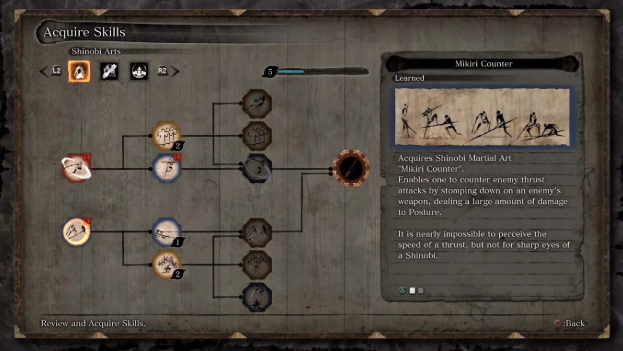
– Skills that Affect Posture: Various skills enhance the player’s ability to deal significant posture damage. Skills such as the Mikiri Counter and Shinobi Eyes amplify the damage inflicted from specific counters, while skills like Ascending Carp and Descending Carp are effective for enhancing damage from deflections.
– Combat Arts: Arts like Ichimonji and Senpou Leaping Kicks are examples of combat moves that yield substantial posture damage, marking them as essential tools in a player’s arsenal during intense skirmishes.
Key Strategic Decisions
– Aggression vs. Defense: A balanced combat strategy is vital. Players must manage their own posture while simultaneously applying pressure to the enemy. Overly aggressive play can lead to vulnerability, while excessive caution can prolong the confrontation and put the player at a disadvantage.
– Adaptability: The Posture System necessitates adaptability, as different enemies employ varied attack patterns and vulnerabilities. Understanding these nuances enhances the player’s effectiveness in combat, making each encounter feel unique and challenging.
Conclusion
In essence, the Posture System in Sekiro: Shadows Die Twice compels players to adopt a deeply strategic approach. Success hinges on precision timing for both deflections and high-damage attacks, balancing aggression with defensive play while considering both player and enemy posture. Mastery of these elements not only leads to triumph in battles but also enhances the overall experience, making every encounter a test of skill and adaptability.
Leave a Reply