
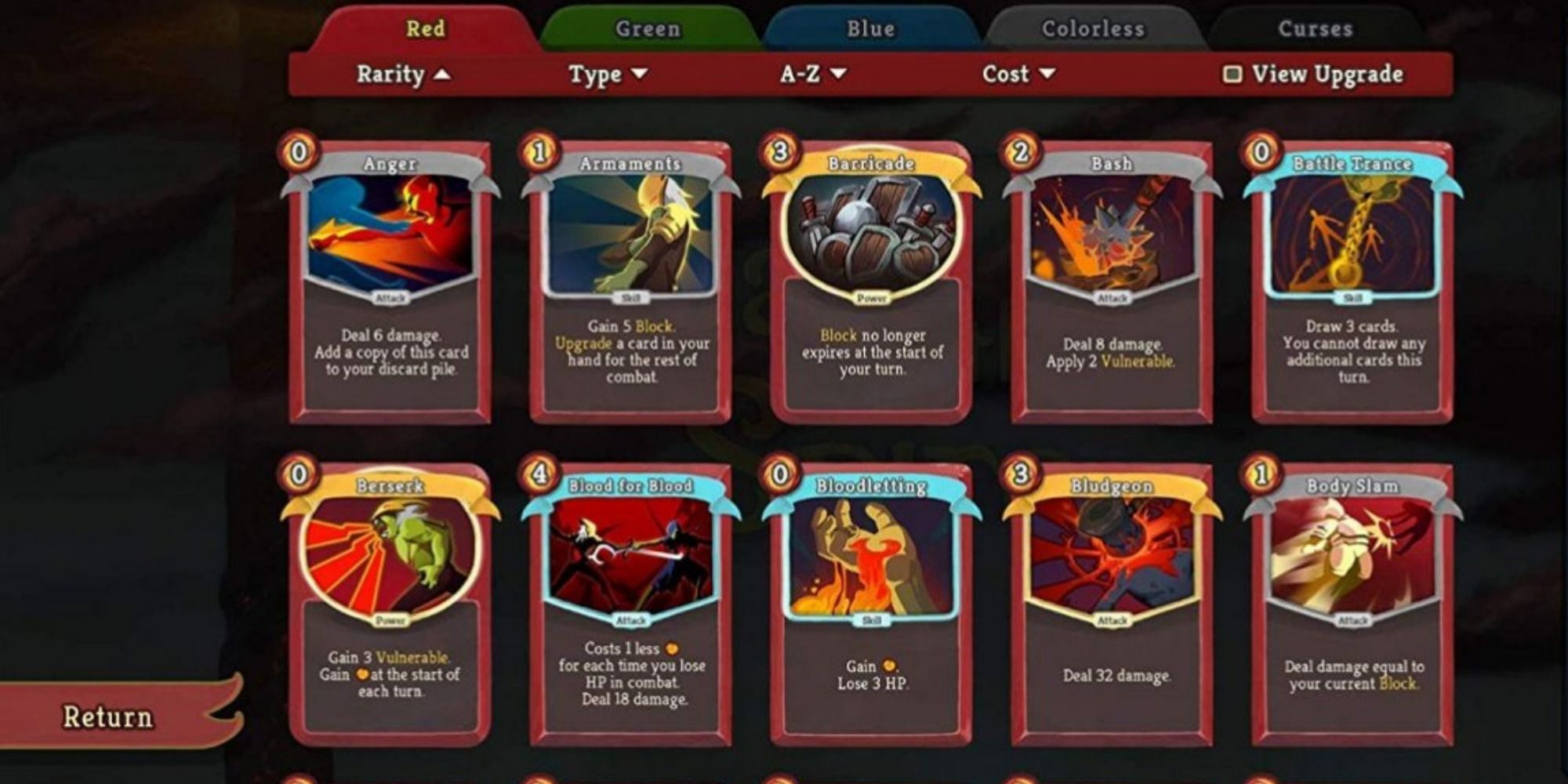
In Slay the Spire, the differentiation between attacks, skills, and powers plays a pivotal role in shaping your combat strategy and enhancing your gameplay experience. Understanding the specific functions and strategic implications of each card type is essential for achieving victory and effectively navigating the game’s challenges.
Card Type Overview
| Card Type | Primary Function | Strategic Role |
|———–|———————————-|————————————|
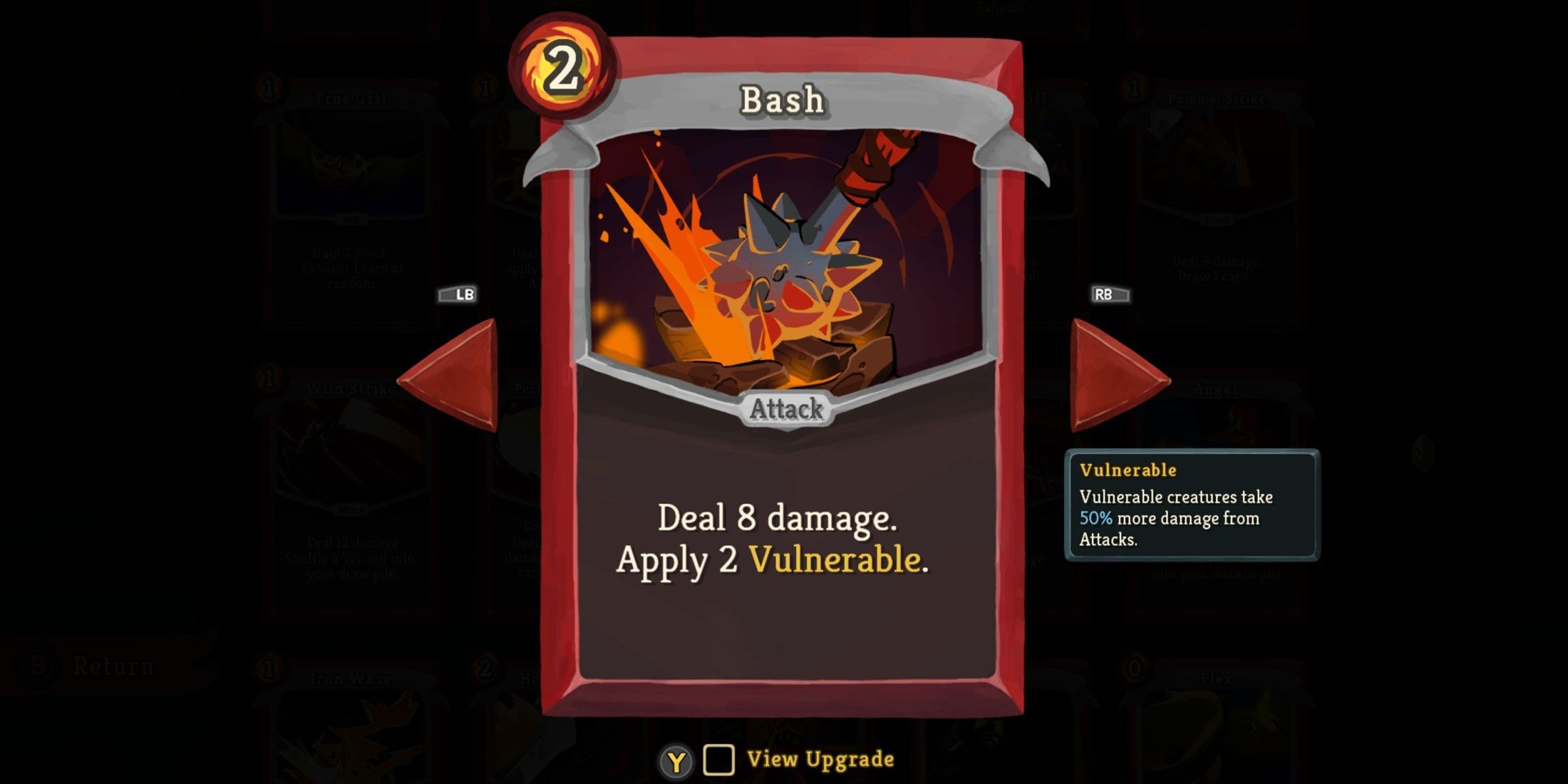
| Attacks | Deal direct damage to enemies | Immediate offense to reduce health |
| Skills | Defense, debuffs, status effects | Tactical utility and survivability |
| Powers | Long-lasting buffs or effects | Sustained advantage over combat |
Attacks
Attacks are your primary damage-dealing tools. These cards focus on delivering direct damage to your adversaries, which is crucial for swiftly reducing their health and securing victory. The direct and straightforward nature of attacks makes them essential in combat; they typically consume energy to use and come with various damage outputs and effects. Quick, strategic decision-making regarding which attack cards to play can determine the pace of a battle, allowing you to finish off enemies before they have a chance to retaliate.
Skills
Skills enhance your defensive capabilities and provide utility that can pivot the course of battle. They offer a wide range of tactical options: from granting block to mitigate incoming damage, to debuffing opponents by reducing their attack power or inflicting negative status effects. Because skills can alter both your defense and the effectiveness of enemy attacks, mastering their use can significantly improve survivability. Knowing when to play skill cards is essential for managing the flow of combat, particularly during moments when you’re vulnerable to high damage.
Powers
Powers serve a unique strategic function, offering long-lasting effects that can alter the dynamics of a fight once played. Unlike attacks and skills, which have an immediate effect, powers provide passive benefits that accumulate over time. This can include enhancements such as increasing your strength, generating block each turn, or providing other significant buffs. The timing of when to play powers can be critical; deploying them early can build a compounding advantage, allowing you to maximize their benefits throughout the encounter. Powers are often central to a deck’s overall strategy and can create synergy with both attack and skill cards to maximize efficiency. For example, a power that boosts your strength will amplify every subsequent attack, while a defensive power could permit riskier attack strategies because it absorbs more damage over multiple turns.
Conclusion
The interplay between attacks, skills, and powers in Slay the Spire creates a nuanced combat system where strategic card management is key. Knowing how to effectively deploy and combine these card types based on the flow of the battle, individual strengths of your deck, and the specific challenges posed by enemies is crucial for mastering the game. A balanced approach that incorporates all three card types will provide you with the tools needed to adapt to various combat scenarios and optimize your chances of success.


Leave a Reply