
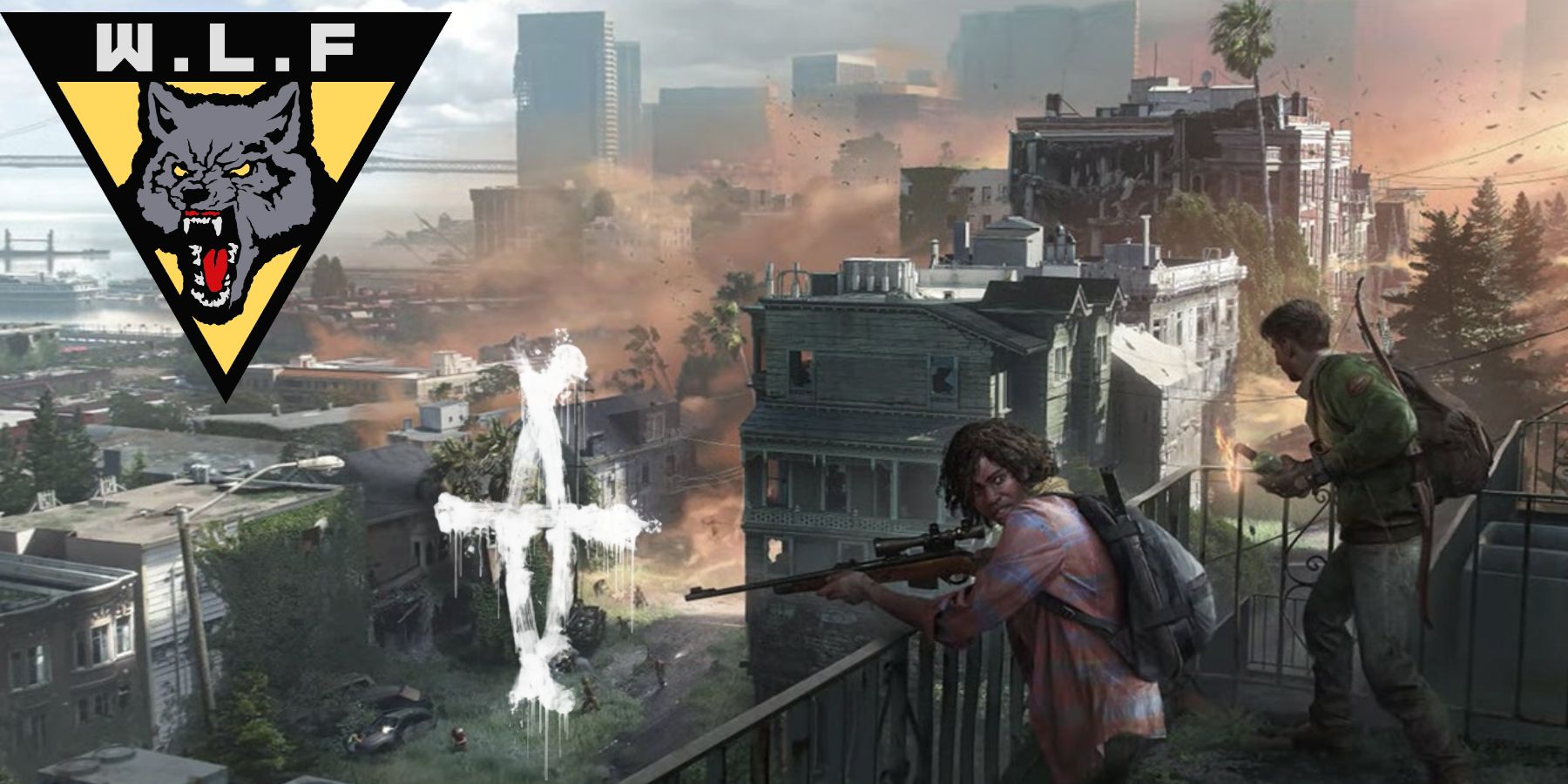
In The Last of Us Part II, the stark differences between the Seraphites (Scars) and the Washington Liberation Front (WLF) in terms of combat behavior not only enhance the gaming experience but also reinforce the identities and philosophies of each faction. Below is a detailed examination of their combat behaviors, emphasizing how these differences impact gameplay and player strategy.
Combat Behavior Differences: Seraphites vs. WLF
Seraphites (Scars)
– Communication Style: The Seraphites rely on eerie whistles and non-verbal cues for communication. This unique approach limits direct verbal commands, requiring players to listen carefully and decipher the location and movements of enemies based on these sounds. This adds a layer of tension as players can’t always pinpoint enemy locations based on shouts or cries.
– Tactics and Strategy: Characterized by stealthy and guerrilla combat tactics, Seraphites utilize the environment to their advantage. They favor hit-and-run strategies, employing ambushes and surprise attacks. Players can expect to encounter enemies that blend into thick foliage or move silently through urban landscapes, making careful observation crucial.
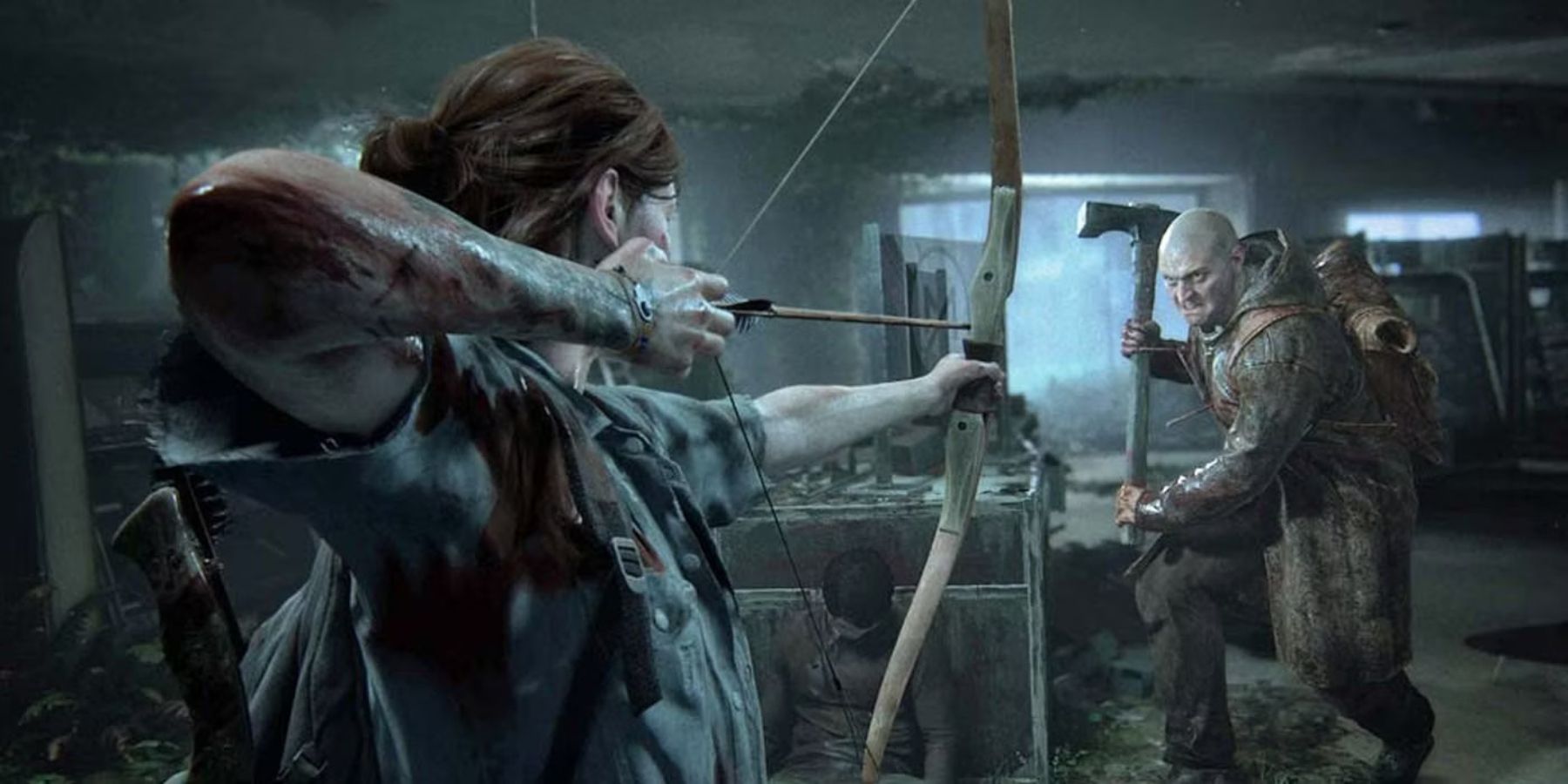
– Stealth Focus: Engaging Seraphites encourages stealth gameplay. Players are often advised to employ stealth kills—such as headshots with arrows or utilizing silenced weapons—to conserve ammunition and avoid drawing attention. The presence of traps adds to the challenge, as they can alert nearby Seraphites if triggered.
– Environmental Use: The Seraphites’ combat behavior emphasizes using natural cover. Their silent and rapid movement through environments creates an atmosphere where players must constantly be on high alert, listening and scanning for potential threats. Their unpredictable behavior can lead to being surrounded or ambushed, enhancing the game’s tension.
Washington Liberation Front (WLF)
– Communication Style: The WLF adopts a more conventional approach to combat, utilizing vocal commands among their ranks. They call out positions, direct movements, and coordinate efforts, which allows for more straightforward and tactical engagements.
– Tactics and Strategy: The WLF employs organized military tactics that mirror real-life combat procedures. Their use of bounding overwatch, flanking maneuvers, and suppressive fire indicates a high level of coordination and discipline on the battlefield, challenging players to adapt their strategies in response.
– AI Behavior: The AI of the WLF is notably adaptive; they dynamically change their tactics based on the player’s actions. This means that if a player relies heavily on stealth, the WLF will coordinate to search aggressively and respond with tactics to counter stealth approaches.
– Emotional Engagement: The emotional responses of WLF soldiers during combat—such as expressing fear when outnumbered or calling out for fallen comrades—humanizes their behavior. This adds a layer of depth to encounters, making players feel not just as if they are fighting against enemies but engaging with opponents who have their own fears and motivations.
Summary Table
| Feature | Seraphites (Scars) | Washington Liberation Front (WLF) |
|——————————|———————————————-|——————————————————|
| Communication | Whistles and non-verbal sounds | Vocal commands and direct communication |
| Combat Style | Stealth, ambush, traps, guerrilla tactics | Military tactics, suppressive fire, flanking |
| Movement | Silent, fast, uses natural cover | Coordinated squad movement, tactical positioning |
| Player Alert Response | Patrol quietly, alert others via sound | Actively search, call out last known player position |
| AI Adaptiveness | Reactive but subtle and stealthy | Highly adaptive, communicates and coordinates |
| Emotional Reaction | Mostly cult-like, quiet | Express fear, call out fallen comrades |
Conclusion
This distinct behavioral contrast between the Seraphites and the WLF in The Last of Us Part II not only enriches the narrative diversity within the game but also compels players to adapt their tactics based on the faction they encounter. By tailoring their strategies to the unique combat styles of each group, players can experience a more immersive and varied gameplay experience, ultimately heightening the emotional stakes of their journey through this post-apocalyptic world.



Leave a Reply