
In The Last of Us Part II, weapon choice plays a critical role in shaping your combat strategy, offering distinct advantages and dictating how you engage with the game’s various challenges. Each weapon type caters to different gameplay styles, from stealthy approaches to frantic close-quarters combat. Here’s a deeper examination of how different weapons influence combat strategy across various scenarios.
Weapon Types and Their Strategic Implications
1. Bow
The bow stands out as a prime tool for players who gravitate towards stealth gameplay. Its silent operation allows for discreet eliminations, minimizing the risk of alerting nearby enemies. Critical upgrades such as the rangefinder enhance accuracy by marking enemy distances directly on the reticle, allowing for precision shots. Additionally, enhancements that increase draw speed enable quicker follow-up shots, thus maintaining a consistent flow of arrows for ongoing stealth action. The option to retrieve arrows post-engagement emphasizes resource conservation and encourages strategic shot placement, promoting a gameplay style that rewards patience and tact.
2. Silenced Pistols and Semi-Auto Pistols
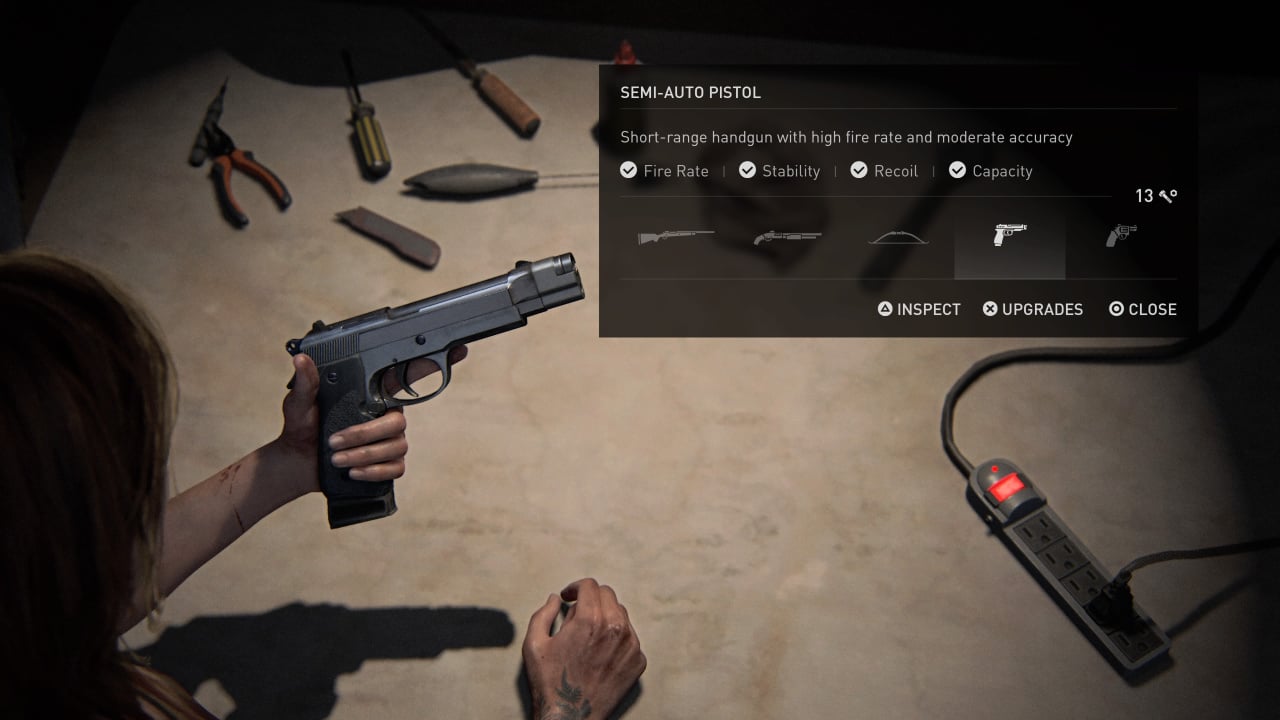
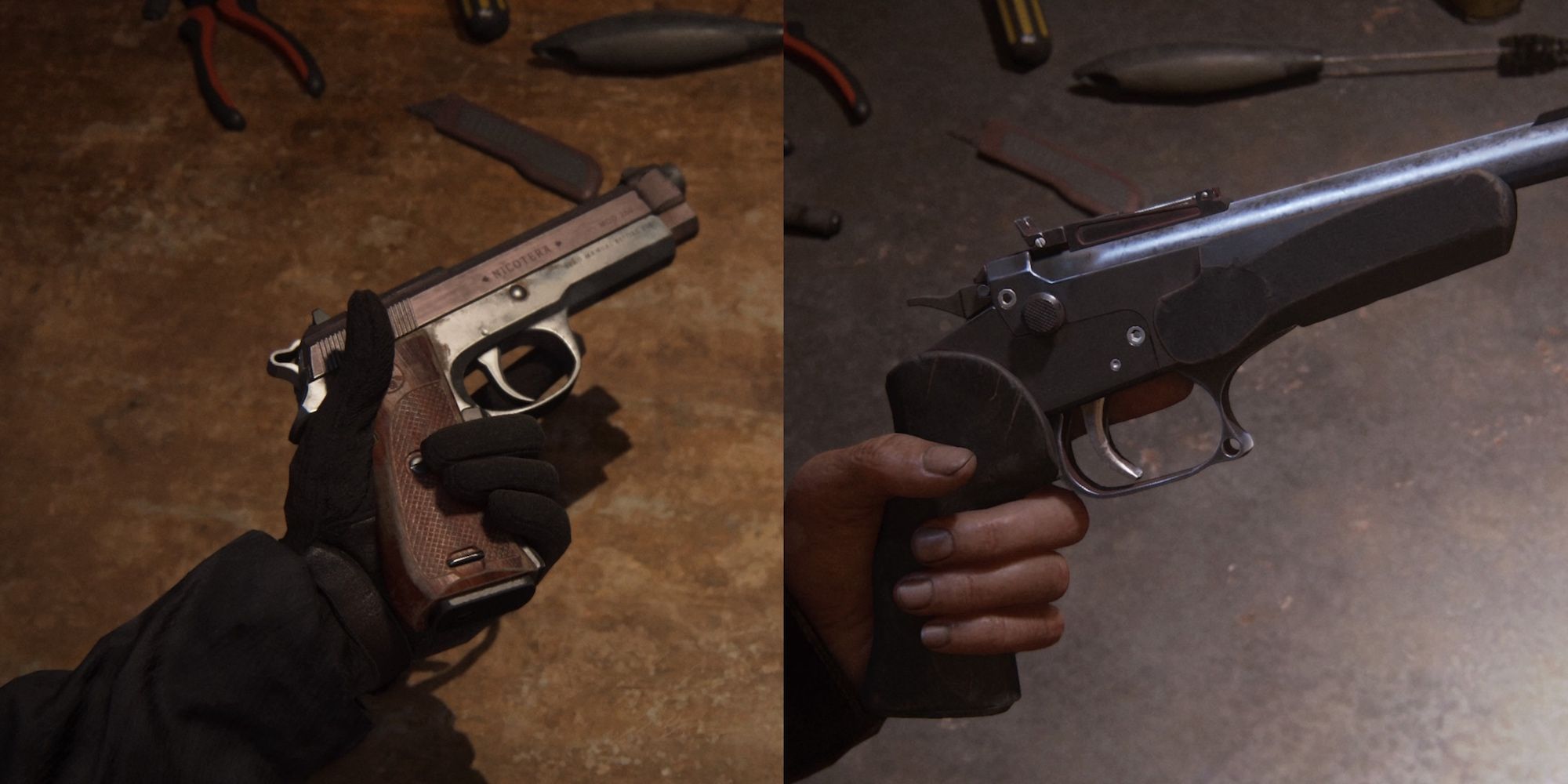
These handguns are essential for maintaining stealth, particularly when enhanced with crafted silencers. With these weapons, players can methodically clear enemy camps without drawing attention. Employing techniques like pistol executions—where grabbing an enemy leads to a quick and silent headshot—further solidifies the stealth-first approach. This versatility allows players to transition easily between silent takedowns and sudden aggression when necessary.
3. Shotguns (Pump and Double Barrel)
In contrast, shotguns are powerful tools for close-range confrontations. They excel at dealing significant damage to multiple enemies, making them effective against hordes of infected when the situation escalates. While the loud discharge of shotguns makes them less compatible with stealth strategies, their high damage output and wide shot spread make them invaluable in urgent combat situations where rapid response is needed. Upgrading fire rates ensures that players can maximize their impact during intense encounters.
4. Bolt-Action Rifles and Sniper Weapons
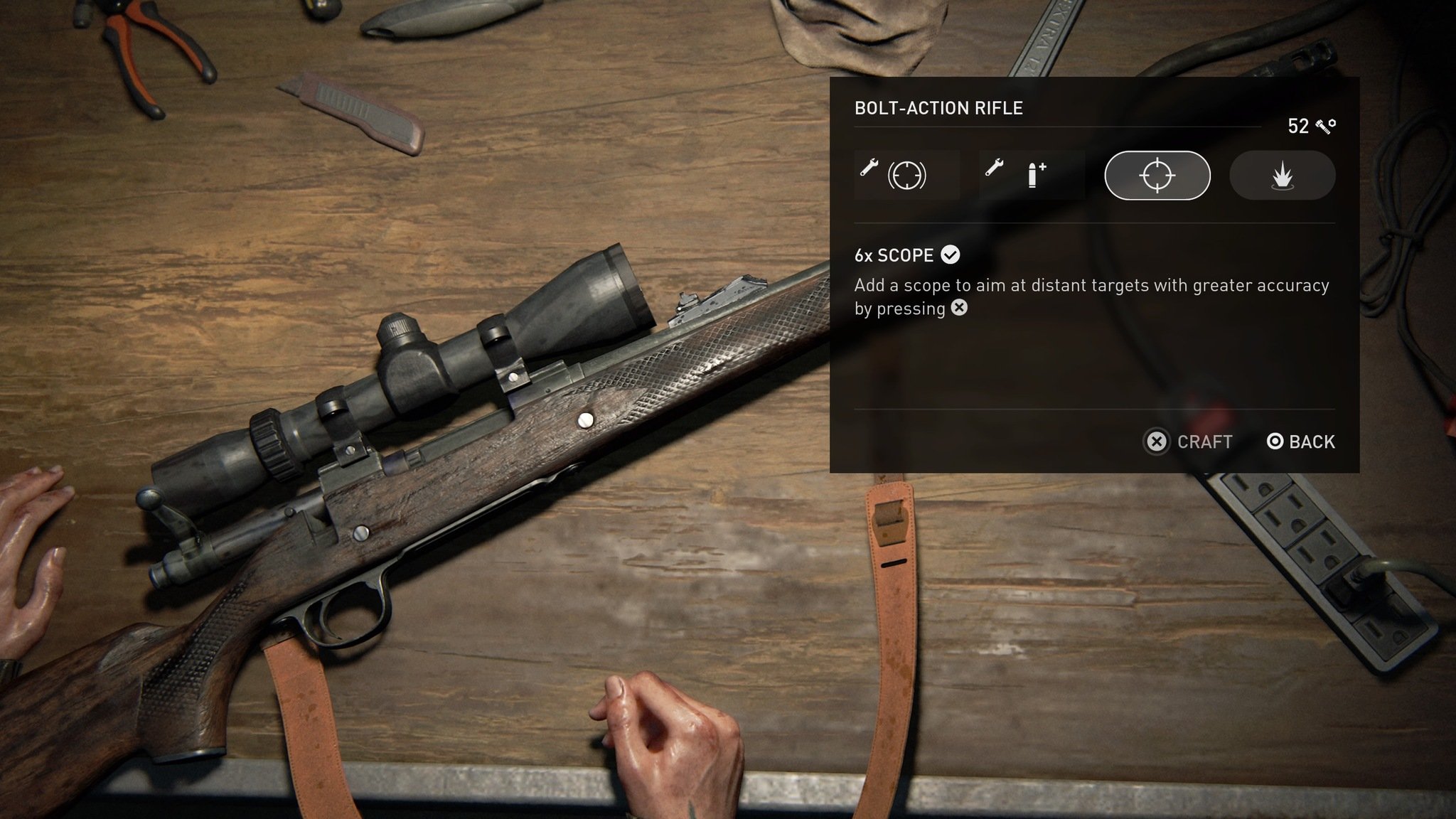
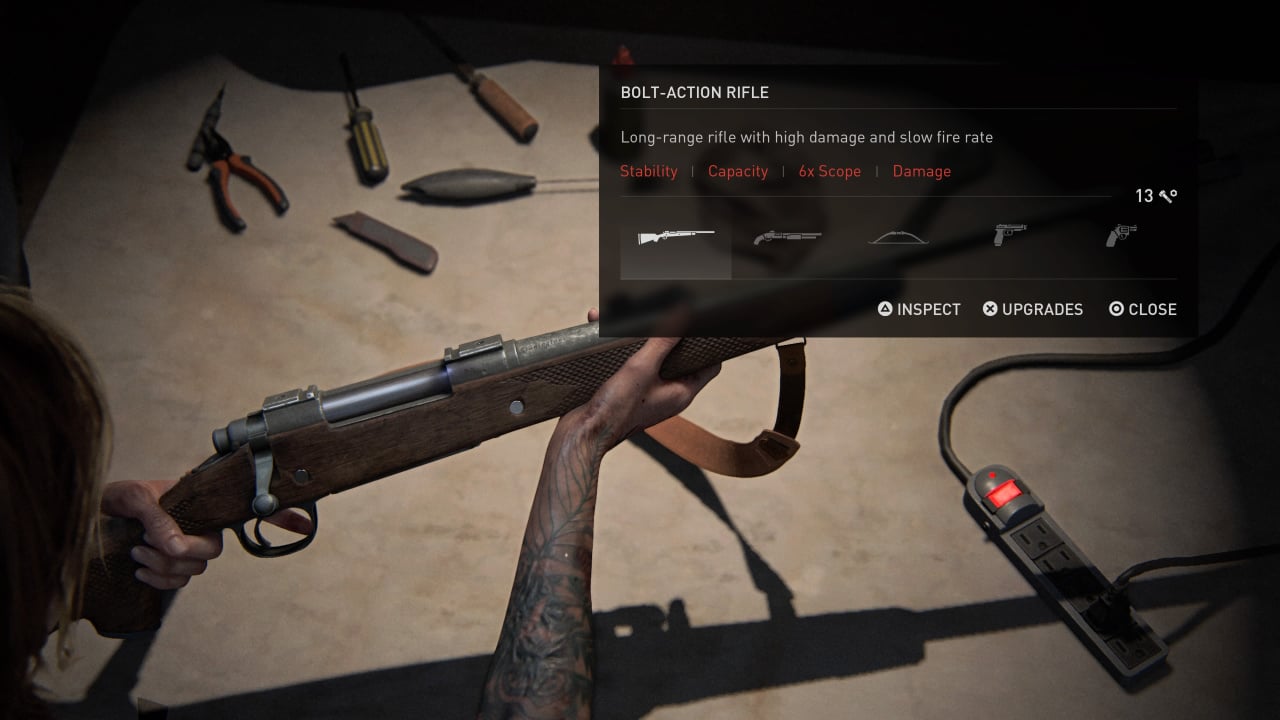
Sniper rifles facilitate a long-range combat style, allowing players to eliminate threats from a distance. This approach provides tactical advantages, letting players thin out enemy numbers before potentially engaging in close combat. Upgrading features like scopes and damage further enhances their effectiveness, rewarding players who practice patience and skilled marksmanship. This weapon type promotes a more strategic engagement, often leading players to plan their approach meticulously.
General Combat Strategy Influenced by Weapon Choices
Stealth vs. Aggression
The choice between weapons largely influences your combat approach. Stealth-oriented players will lean towards bows and silenced firearms to maintain the element of surprise, while those who prefer direct encounters might opt for shotguns or automatic weapons to dominate close-quarters scenarios.
Resource Management
Resource management is another critical aspect influenced by weapon choices. Weapons that allow for ammunition recovery—including arrows from the bow—encourage a more strategic and conservative use of resources. Contrarily, shotguns tend to deplete ammunition quickly, necessitating careful management and reliance on scavenging for survival.
Enemy Type Considerations
Different enemies often require different tactics. Shotguns are particularly effective against large groups of infected, capitalizing on their damage output, while rifles and pistols are more suited for eliminating human enemies at range or stealthily. This necessitates adaptability in weapon selection based on the enemy type encountered.
Weapon Upgrades and Customization
Upgrading weapons is essential in customizing them to fit your preferred combat style. Enhancements can lead to faster fire rates, improved accuracy, or increased damage, which can significantly alter the dynamics of combat. For example, boosting the bow’s draw speed can shift the pace of a stealth encounter, allowing for rapid yet silent takedowns.
Conclusion
In summary, The Last of Us Part II intricately ties weapon choice to gameplay strategy, impacting whether a player chooses to prioritize stealth, ranged precision, or aggressive close-quarters tactics. Adapting one’s loadout and customizing weapons through upgrades directly influences how players navigate the game’s diverse encounters. Mastering these elements not only enhances combat effectiveness but also enriches the overall gaming experience, allowing for fluid shifts between various strategies depending on narrative context and player preferences.
Leave a Reply