
In Tunic, the fixed isometric camera perspective significantly shapes both puzzle-solving and the exploration of hidden secrets within its enchanting world. Below are some detailed insights into how this perspective influences gameplay mechanics:
Camera Perspective and Puzzle Solving
1. Fixed Isometric Viewpoint:
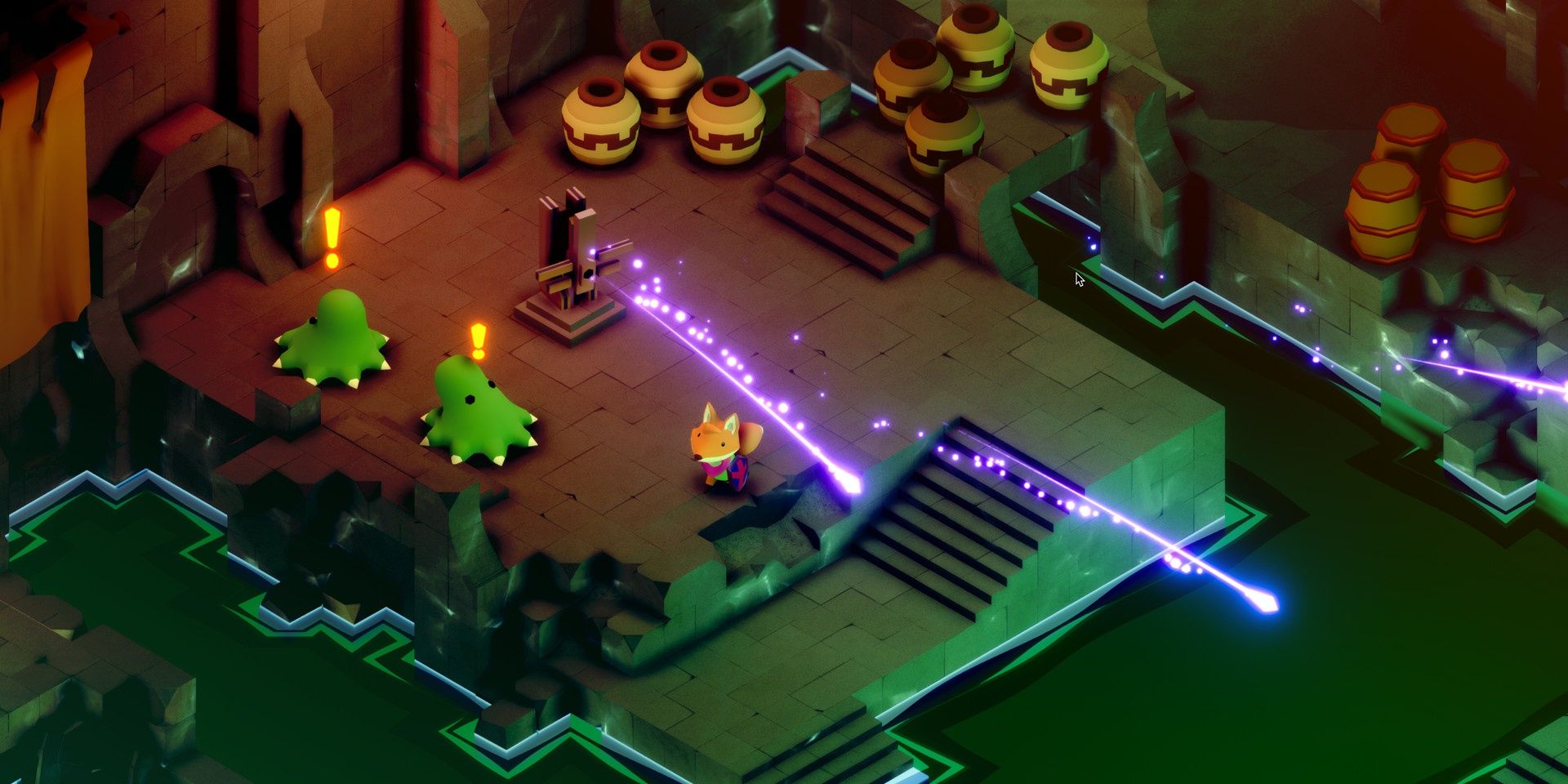
– The game features a fixed isometric perspective, presenting players with a consistent, top-down angle of the environment. This design choice limits visibility, compelling players to engage with their surroundings in a more thoughtful manner. As a result, players often need to interpret various environmental cues—like unusual formations, interactive elements, or subtle hints—in order to navigate and solve intricate puzzles.
2. Tilting the Camera:
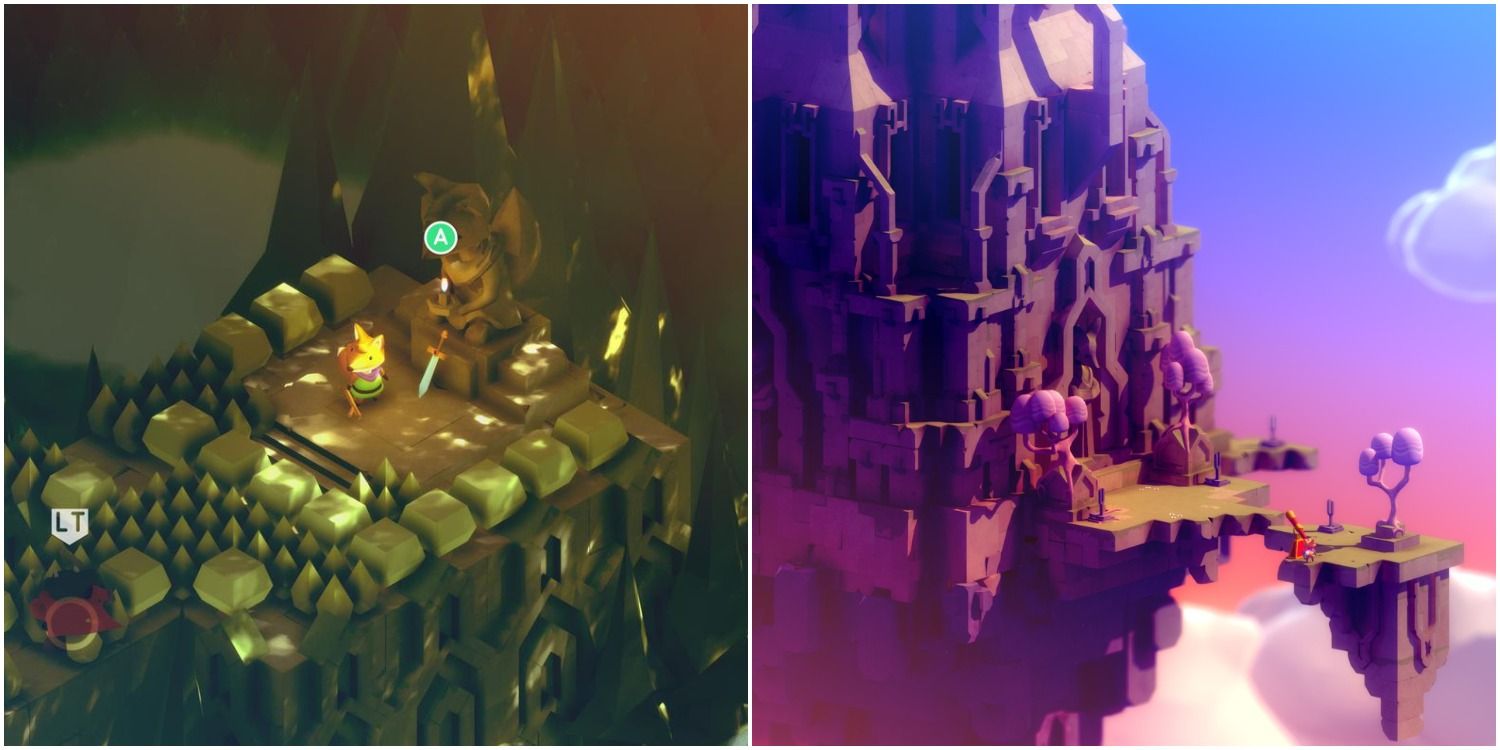
– To enhance exploration, Tunic allows players to tilt the camera by using specific controls (e.g., pressing L2 on consoles). This mechanic is crucial for uncovering hidden paths and secrets that remain obscured from the primary viewpoint. Often, players may find themselves rote memorizing areas, only to realize later that a simple tilt could reveal significant discoveries. Forgetting to utilize this feature can lead to missed opportunities and, at times, a feeling of being trapped in certain sections of the game.
3. Orthographic Projection:
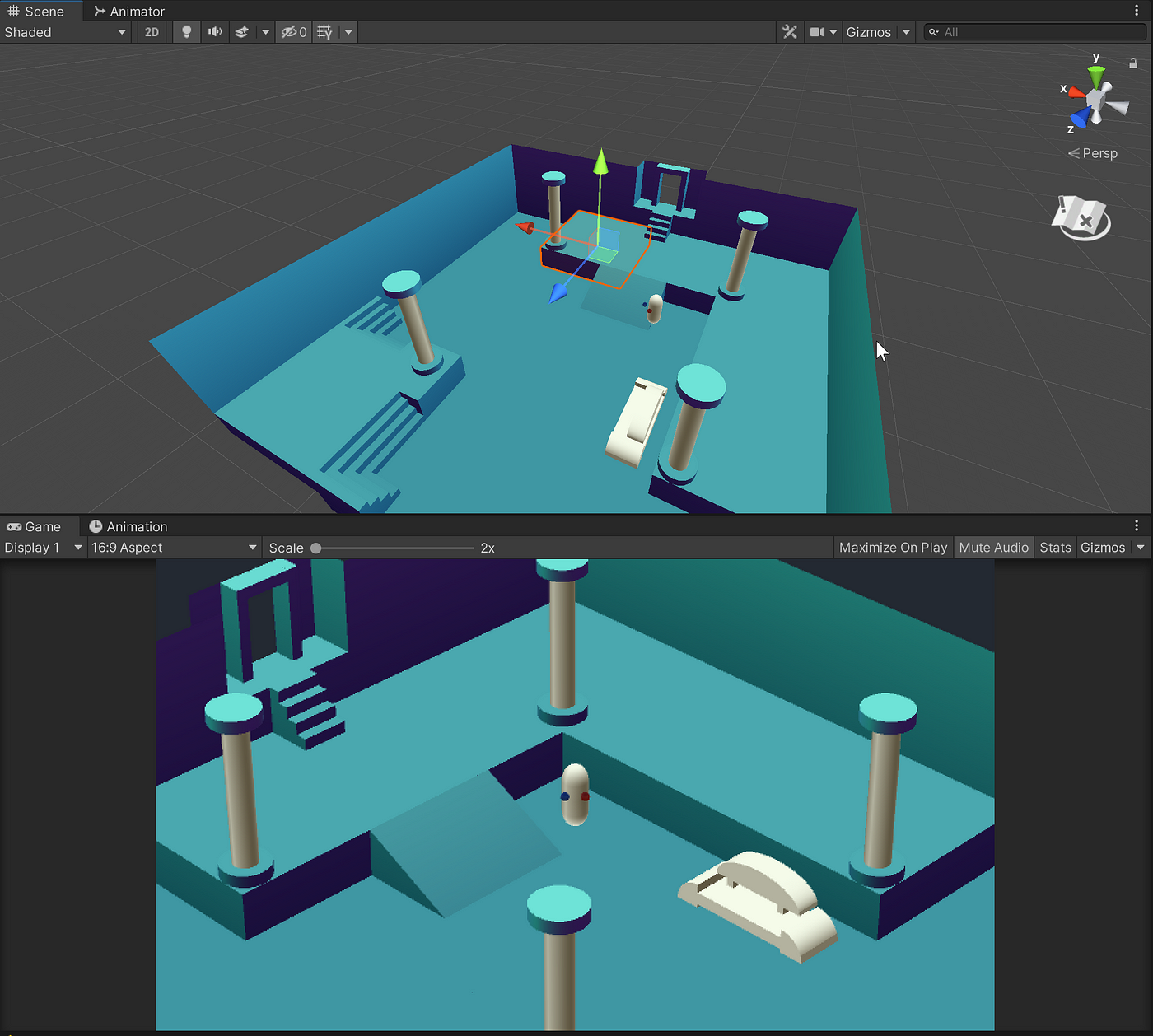
– The game employs an orthographic projection, resulting in a two-dimensional, map-like appearance of the game world. While this method intentionally flattens the visuals, it can complicate a player’s perception of depth and distance. To aid players in overcoming this challenge, Tunic cleverly integrates visual tricks and environmental cues that guide their navigation and enhance spatial awareness, making recognition of depth a more intuitive process.
Role in Finding Secrets
1. Hidden Paths and Items:
– The isometric view often obscures secret passages and collectible items, necessitating a more exploratory approach. Players are encouraged to actively maneuver the camera, tilting it to reveal hidden locations or treat each step as a potential opportunity to uncover something new. This design fosters a sense of discovery and emphasizes the importance of persisting through exploration.
2. Environmental Clues:
– Environmental storytelling plays a pivotal role in guiding players towards secrets within the game. Because direct observation is hindered by the fixed camera angle, players must pay attention to their surroundings. Features like contrasting textures, subtle lighting variations, and unusual formations serve as indicators that something significant—whether a hidden item or a passage—may be nearby, reinforcing the necessity of keen observation.
3. Intentional Obfuscation:
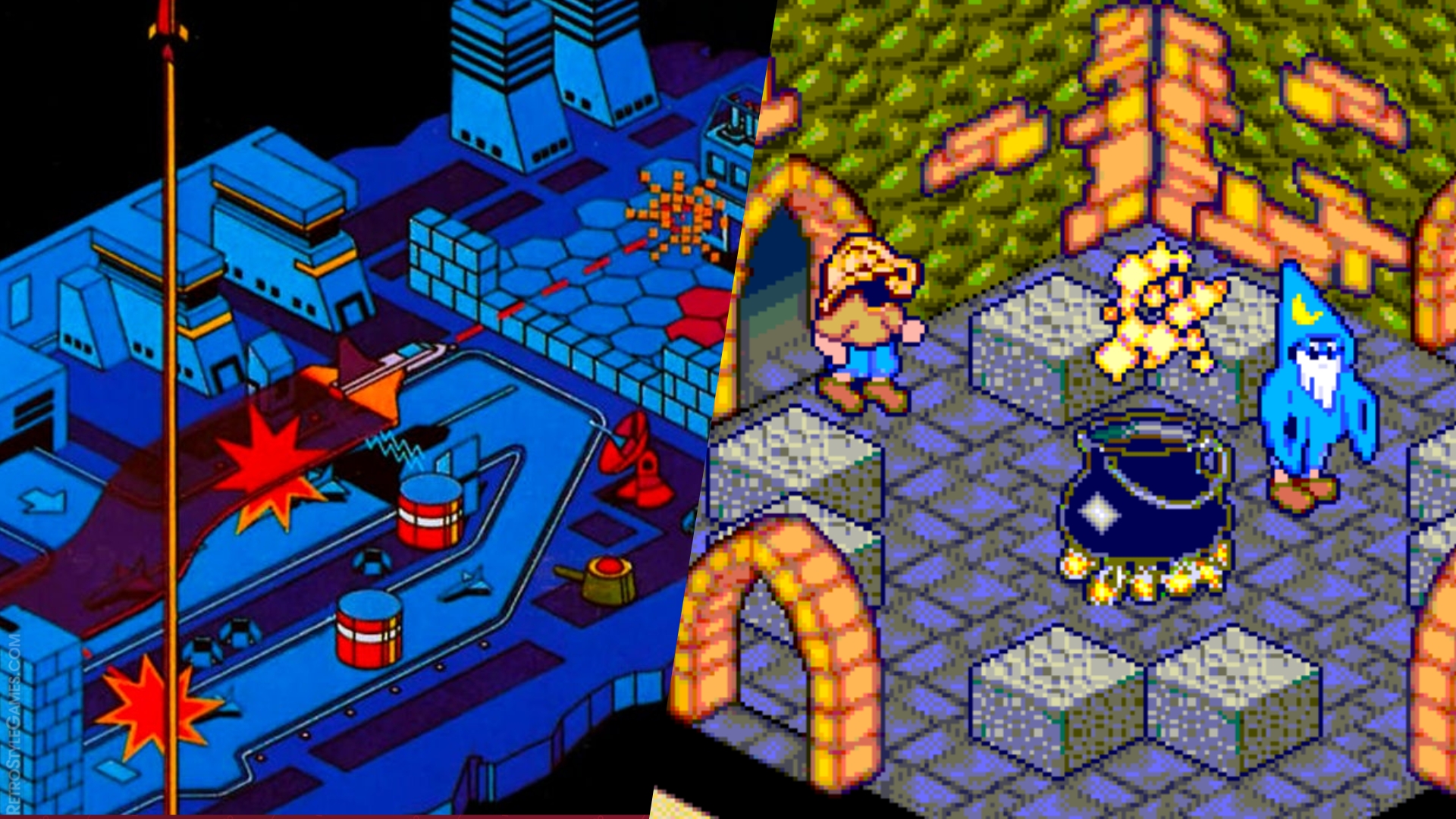
– The game occasionally employs intentional obscuration to replicate the design philosophies found in other iconic game styles, such as those seen in Souls games or classic Zelda titles. This deliberate choice creates an atmosphere of challenge and reward, as players must sift through potential dead ends and veiled pathways before achieving satisfaction at discovering a secret area or puzzle solution.
Conclusion
In summary, the isometric camera in Tunic serves as a deliberate tool that enriches gameplay by fostering creative thinking and exploration. By establishing a fixed viewpoint that requires players to engage with the game world thoughtfully, the design not only enhances puzzle-solving but also transforms the act of discovery into a rewarding endeavor, steeped in both challenge and triumph. As players continuously adapt to these constraints, the experience becomes one of both intellectual engagement and emotional fulfillment, making Tunic a standout title in the adventure gaming genre.
Leave a Reply