
In Tunic, players are immersed in a rich environment where visual cues subtly guide them toward hidden treasures and secret passages. The game’s design cleverly employs various techniques to encourage exploration and interaction, creating a rewarding experience for those who pay close attention to their surroundings.
Key Visual Indicators of Secrets
1. Patterns on Walls:
– The presence of intricate patterns or symbols on walls serves as a primary indicator of hidden locations. These designs often require players to engage with them actively by tracing specific sequences using the D-pad. For instance, discovering a certain wall pattern could unlock a secret door leading to valuable treasure, fostering a sense of discovery as players decipher environmental clues.
2. Handwritten Icons and Map Markings:
– Throughout the game, players might find handwritten icons or symbols on their in-game map. These marks gently hint at the existence of nearby secrets, suggesting that exploration could yield rewards even when the environment appears unremarkable. This feature encourages players to investigate marked locations, adding depth to their map exploration.
3. Environmental Interactions:
– The game encourages experimentation with the environment. Players may find that dashing into certain walls or striking them can reveal hidden passages. This mechanic promotes a tactile interaction with the game world, where players are rewarded for their curiosity and willingness to engage with seemingly ordinary elements.
4. Holy Cross Codes:
– Some treasures are shielded by specific codes that players must decipher, often derived from visual and environmental clues. The “Holy Cross Codes” involve using the D-pad to input sequences that correspond to wall patterns or symbols nearby. This adds an additional layer of puzzle-solving, compelling players to connect the dots between their surroundings and the hidden treasures.
5. Contextual Location Clues:
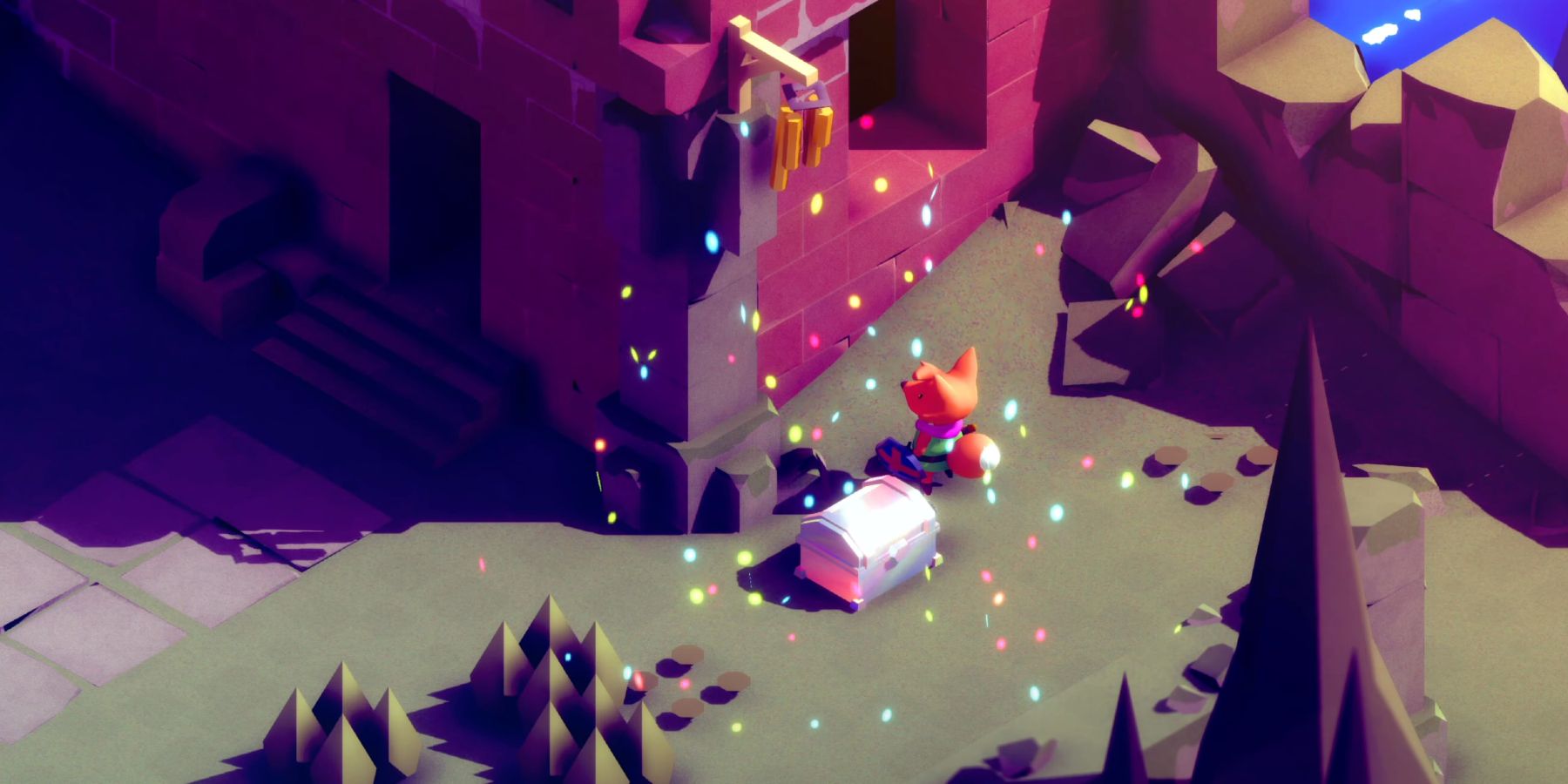
– The environment is deliberately designed to provide contextual hints about secret chests. For instance, unusual placements of enemies or distinctive changes in scenery can suggest that there is something more to explore in that area. Players may need to complete specific actions or discover all related elements, such as locating hidden fairies, before accessing certain rewards.
Conclusion
Tunic expertly utilizes a combination of visual storytelling and cryptic environmental designs to guide players toward hidden secrets. This intricate web of clues requires players to not only observe their environments closely but also embrace a proactive approach to exploration. By doing so, they unlock the rich tapestry of hidden treasures and secret passages that enhance the gameplay experience, making each revelation a moment of triumph and satisfaction.

Leave a Reply