
A Guide to Organizing Shared Spaces in Unpacking
In Unpacking, a game that blends the joy of unpacking personal belongings with the nuances of home organization and storytelling, managing shared spaces can be both a delightful challenge and a creative outlet. Below, we provide a structured approach to help you navigate these shared environments with ease and thoughtfulness.
Understanding the Game Mechanics
Objective:
The heart of Unpacking lies in meticulously placing items in a way that not only satisfies functionality but also enriches the narrative of the character’s life journey. As you unpack, consider how items resonate with the character’s experiences, relationships, and the evolving dynamics with roommates or partners.
Shared Spaces:
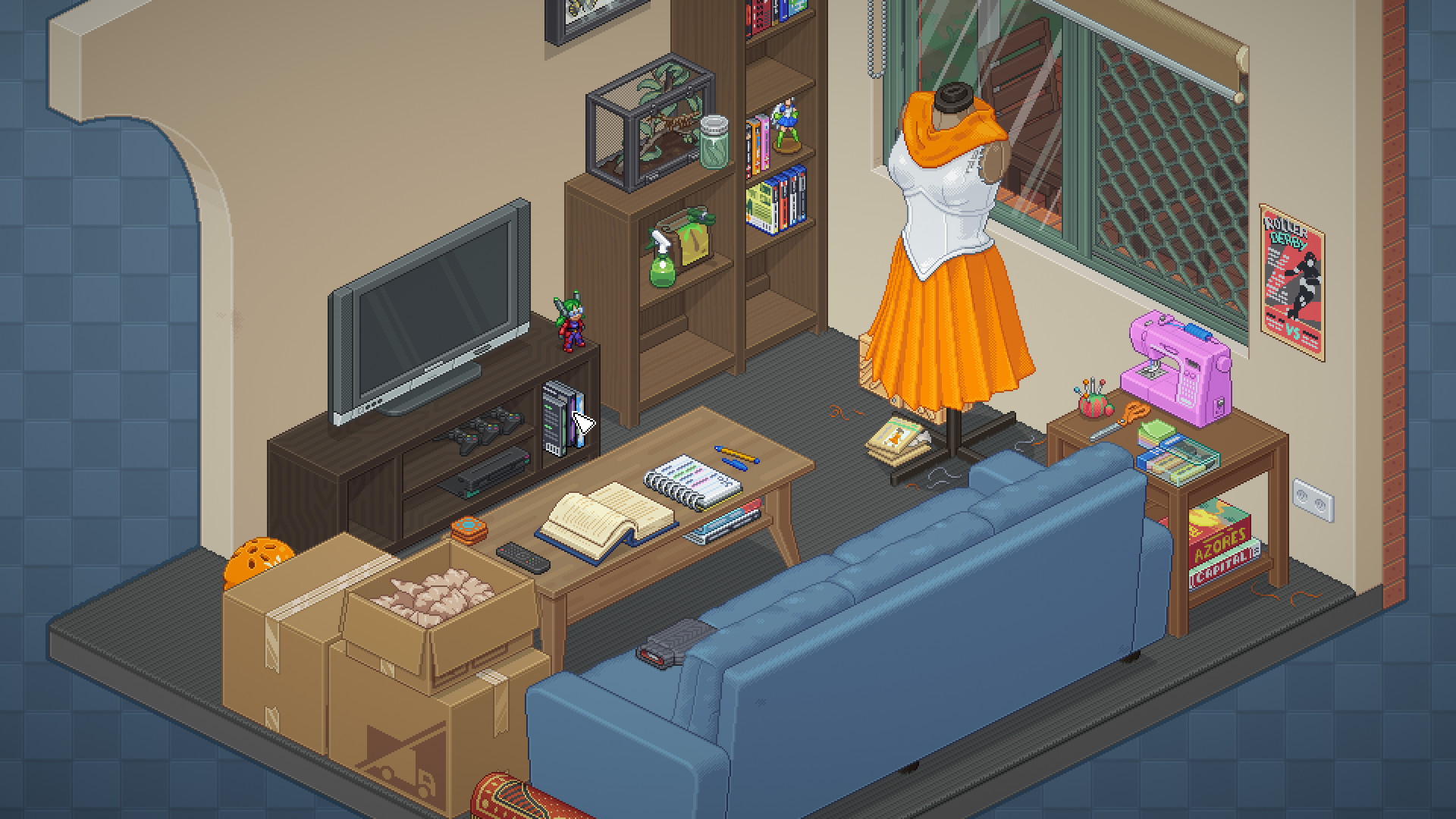
The transition to shared accommodations introduces new layers of complexity. Shared areas, such as living rooms, kitchens, and bathrooms, require a cooperative spirit in organizing spaces where multiple characters will co-exist. This means carefully balancing personal and communal belongings to maintain harmony and utility.
Strategies for Organizing in Shared Spaces
1. Analyzing the Space
– Observe the Layout: Before placing items, take a moment to absorb the space. Look at the arrangement of existing items, noting aspects like traffic patterns and focal points that can guide your organization.
– Identify Available Slots: Pinpoint vacant shelves, drawers, and surfaces where items can be organized. Efficiently utilizing space can enhance both functionality and aesthetics.
2. Placing Personal Items
– Respect Boundaries: Ensure that personal items are placed in designated areas, such as bedrooms or individual closets, to respect communal boundaries. This promotes a sense of ownership and privacy.
– Functional Items: Consider the communal aspect of shared spaces. Items like kitchen utensils, books, or media equipment should have designated spots that allow easy access for everyone, facilitating collective use.
3. Balancing Personal and Shared Items
– Coexistence: Aim for a harmonious blend of personal decor and shared items. For instance, complement personal photographs or memorabilia with books or decorations that reflect the collective interests of housemates.
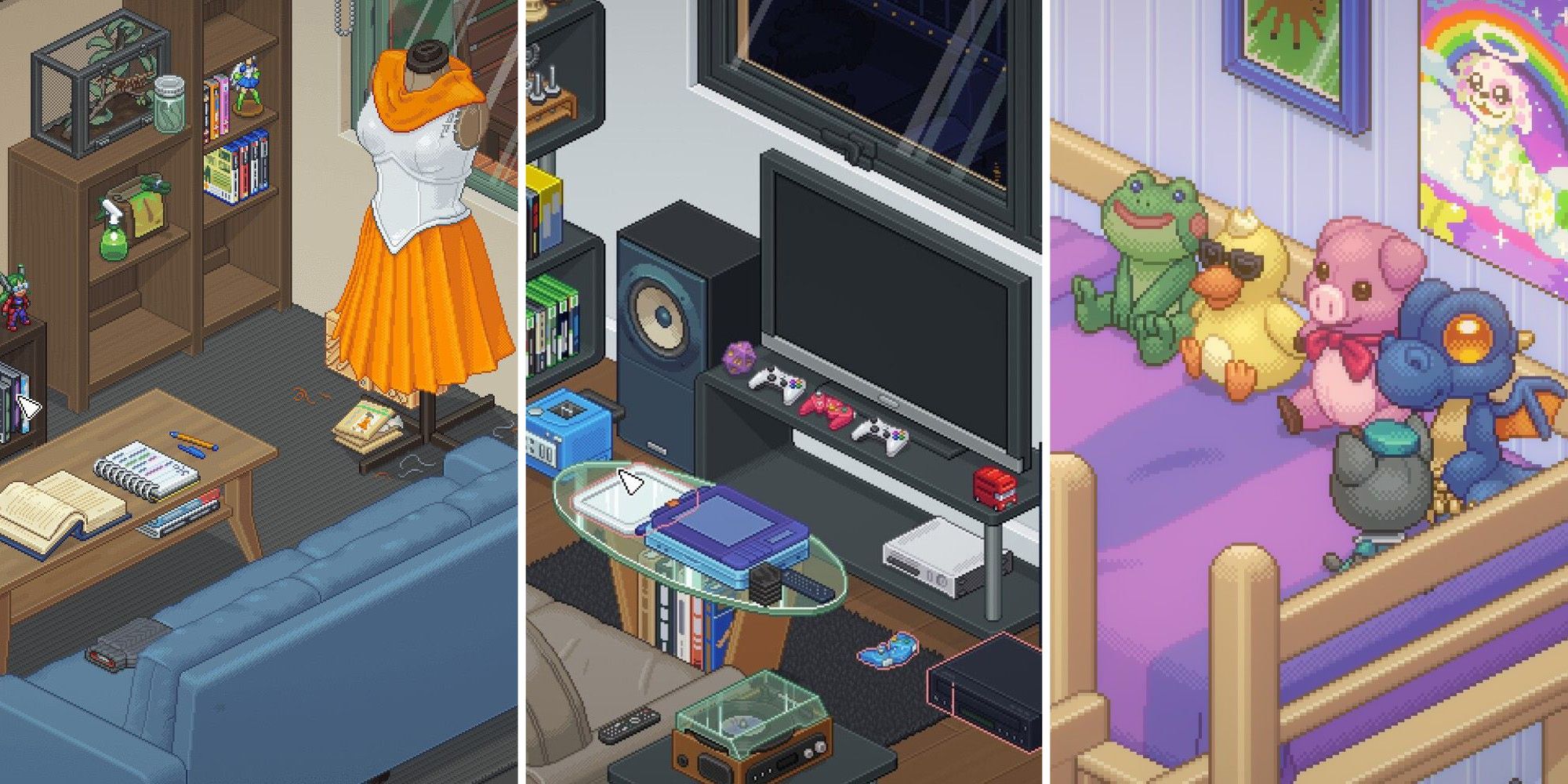
– Storytelling: Each item you unpack contributes to the narrative. Think creatively about how the placement of items can tell the character’s story, weaving individual identities into the shared living area.
4. Trial and Error
– Experimentation: Be open to experimenting with different placements. The game encourages players to shift items around until the arrangement feels just right, striking a balance between personal preference and shared accommodation practicality.
– Feedback Mechanism: Pay attention to how the protagonist interacts with items and spaces. This subtle feedback can guide adjustments and help refine your organizational strategy.
Tips for Success
– Patience: Allow yourself the luxury of time. Unpacking is meant to be a slow, contemplative experience, so enjoy the process of creating a home.
– Creativity: Let your creativity shine through. Find unique ways to arrange items that reflect both function and an inviting aesthetic. Think outside the box!
– Attention to Detail: Focus on the connections between items and their roles in the narrative. Consider how certain belongings might harmonize with one another and enhance the overall story being told.
By implementing these strategies, you’ll not only create functional and harmonious shared spaces in Unpacking, but also deepen your engagement with the game’s narrative, showcasing the characters’ lives and relationships through thoughtful organization and creative arrangement. Enjoy the journey of creating a home where every item has its place!



Leave a Reply