
To create a realistic and lived-in feel while unpacking items in the game Unpacking, it’s essential to adopt strategies that mirror real-world behaviors and organization. Here’s a detailed guide based on the game’s mechanics and everyday unpacking habits:
Strategies for Realistic, Lived-In Item Placement
1. Develop a Mental or Visual Map of the Space
Start with a clear visual or mental arrangement of where different types of items should go within each room. This planning phase helps you establish a natural flow, resembling the organization found in real homes. Consider the function and characteristics of each room to guide your placement choices.
2. Organize by Room Function and Item Type
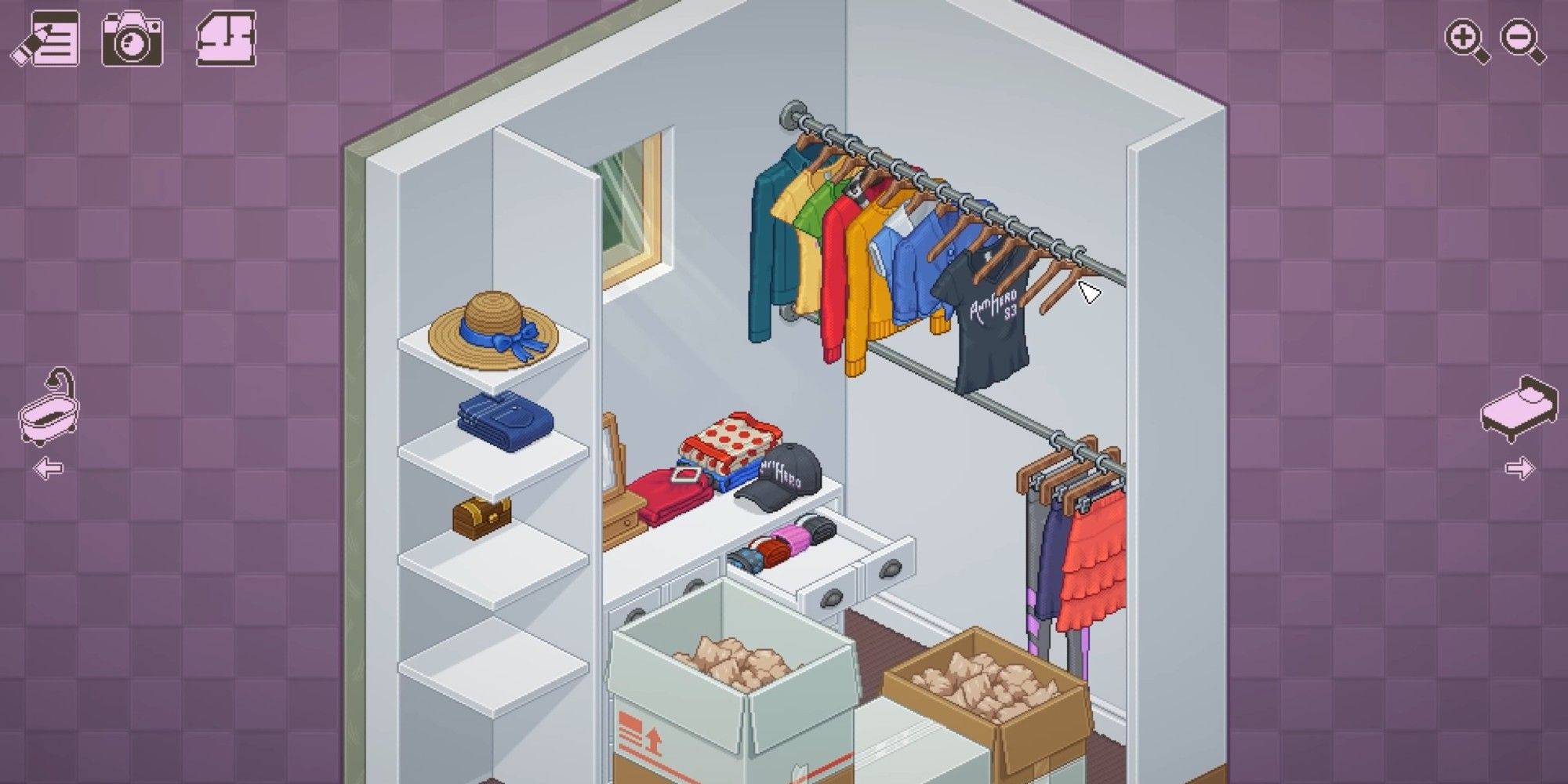
– Entryway: Properly place shoes on racks or in closets to reflect how these are typically stored at home.
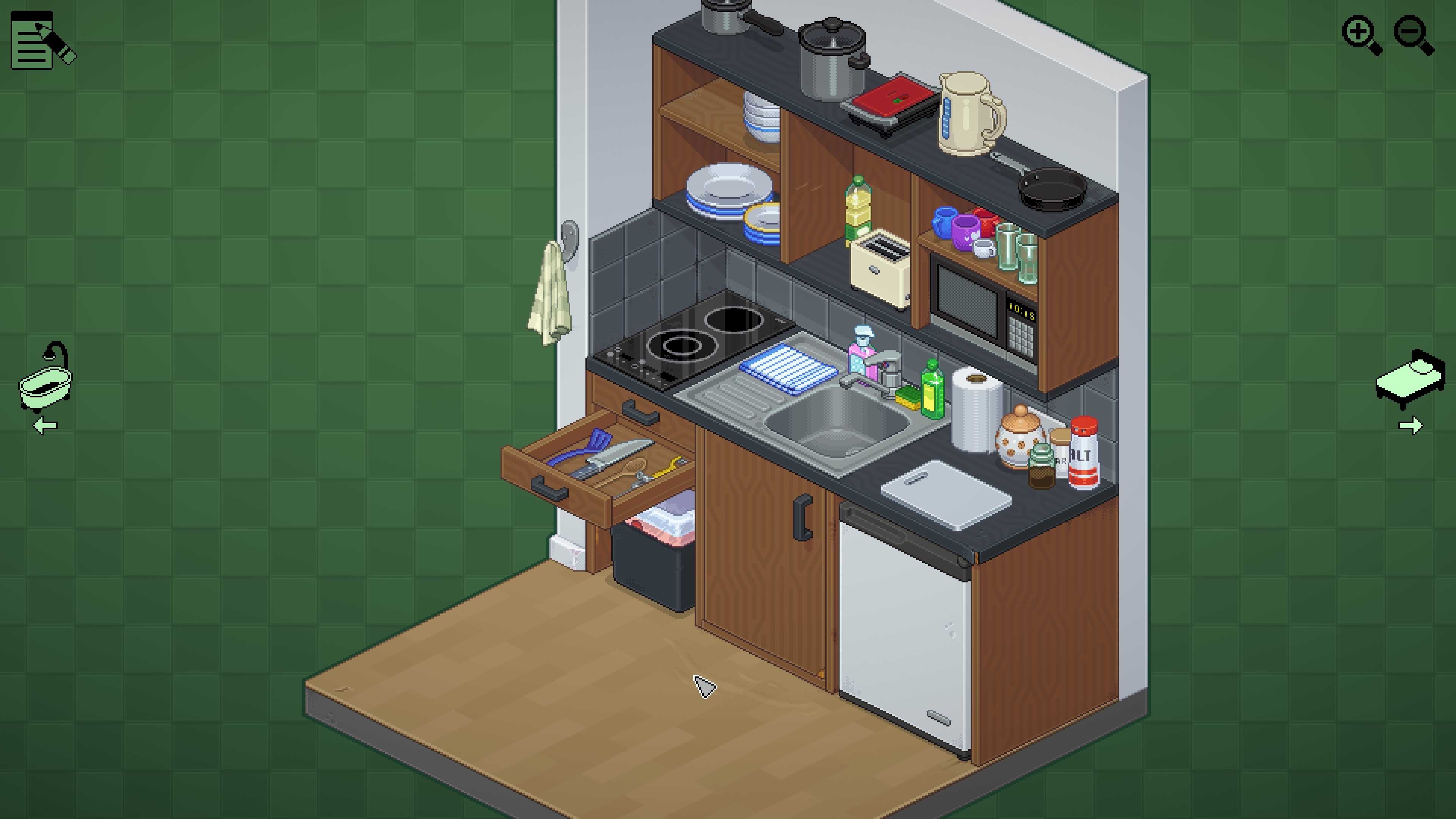
– Kitchen: Kitchen ingredients, such as cooking oil and spices, should be tucked away in cupboards, while utensils are best suited for drawers. Make sure to assign places to appliances that are used in daily cooking.
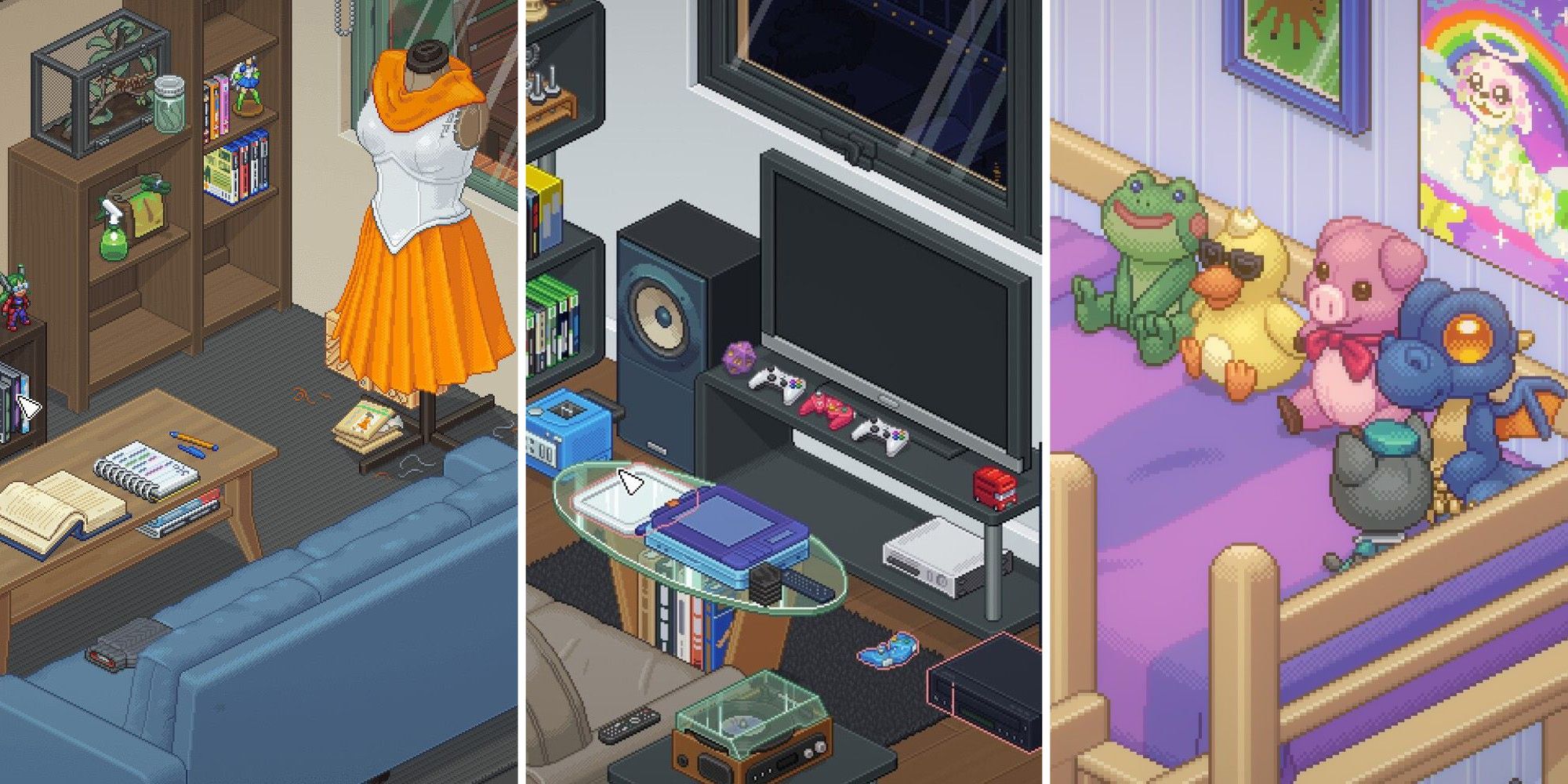
– Bedroom: Arrange stuffed animals and personal items like handbags or yoga mats on beds or under them to illustrate personal use and comfort.
– Living Space: Decorate with personal touches like photos and art on walls or shelves, bringing a sense of personality and warmth to the environment.
3. Utilize Surfaces and Storage Thoughtfully
Each surface serves a particular purpose in your home, and simulating this in the game enhances the unpacking experience:
– Shelves and Nightstands: Ideal for books, small electronics, or decorative items.
– Countertops: This space should host frequently used kitchen gadgets or miscellaneous items, reflecting a lived-in appearance.
– Drawers: Perfect for storing utensils and small tools, ensuring that everything is systematically arranged, sometimes necessitating specific placements to progress in the game.
4. Layer Items to Simulate Use
Create a more dynamic visual by placing items in a way that suggests they are actively used. For instance, leave a backpack slightly askew at the foot of the bed, or tuck a yoga mat underneath to imply it’s being regularly utilized.
5. Pay Attention to Detail and Audio Feedback
One of the game’s intricacies is its audio feedback tied to item placement. When you put items in their right spots on different surfaces, you’ll hear distinct sounds. Tune into these audio cues as they can enhance your experience and assist you in determining whether the items are situated appropriately.
6. Embrace Flexibility
Don’t hesitate to rearrange items after initially placing them. In certain chapters, such as 2010, this feature allows for fine-tuning your arrangements until they align perfectly with your vision of a cozy, personalized space.
Conclusion
By following these strategies, you can transform your unpacking experience into a satisfying and relatable journey. Organizing items based on their real-world uses and mimicking everyday habits—like placing shoes near the door and adorning shelves with photos—will create rooms that feel lived-in and reflect genuine personality. This attention to detail not only enhances the aesthetics of your spaces but also makes the game’s puzzle-solving aspect rewarding and immersive. Enjoy the process of creating a home that resonates with authenticity and warmth!
.jpg)
.jpg)
Leave a Reply