
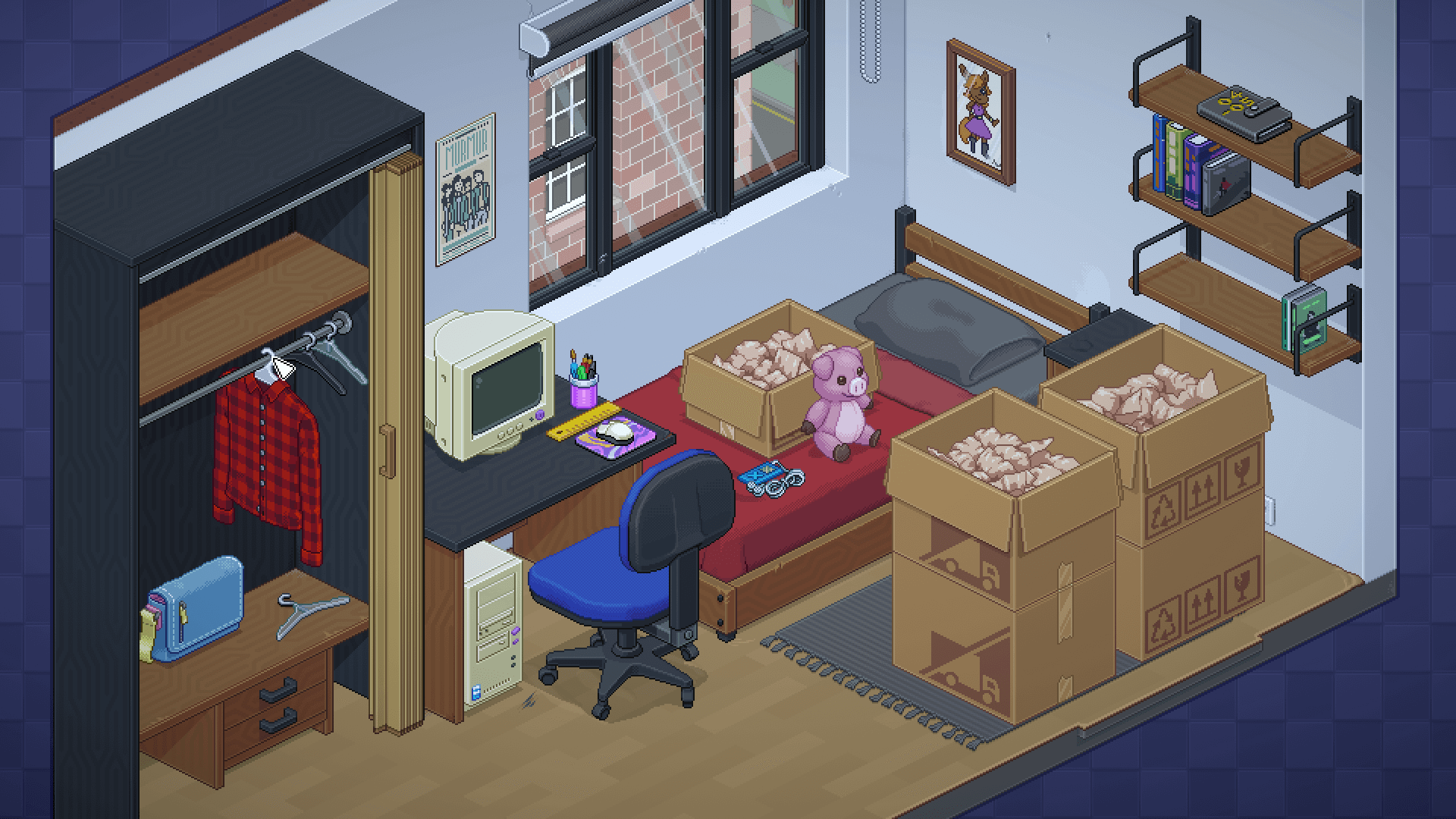
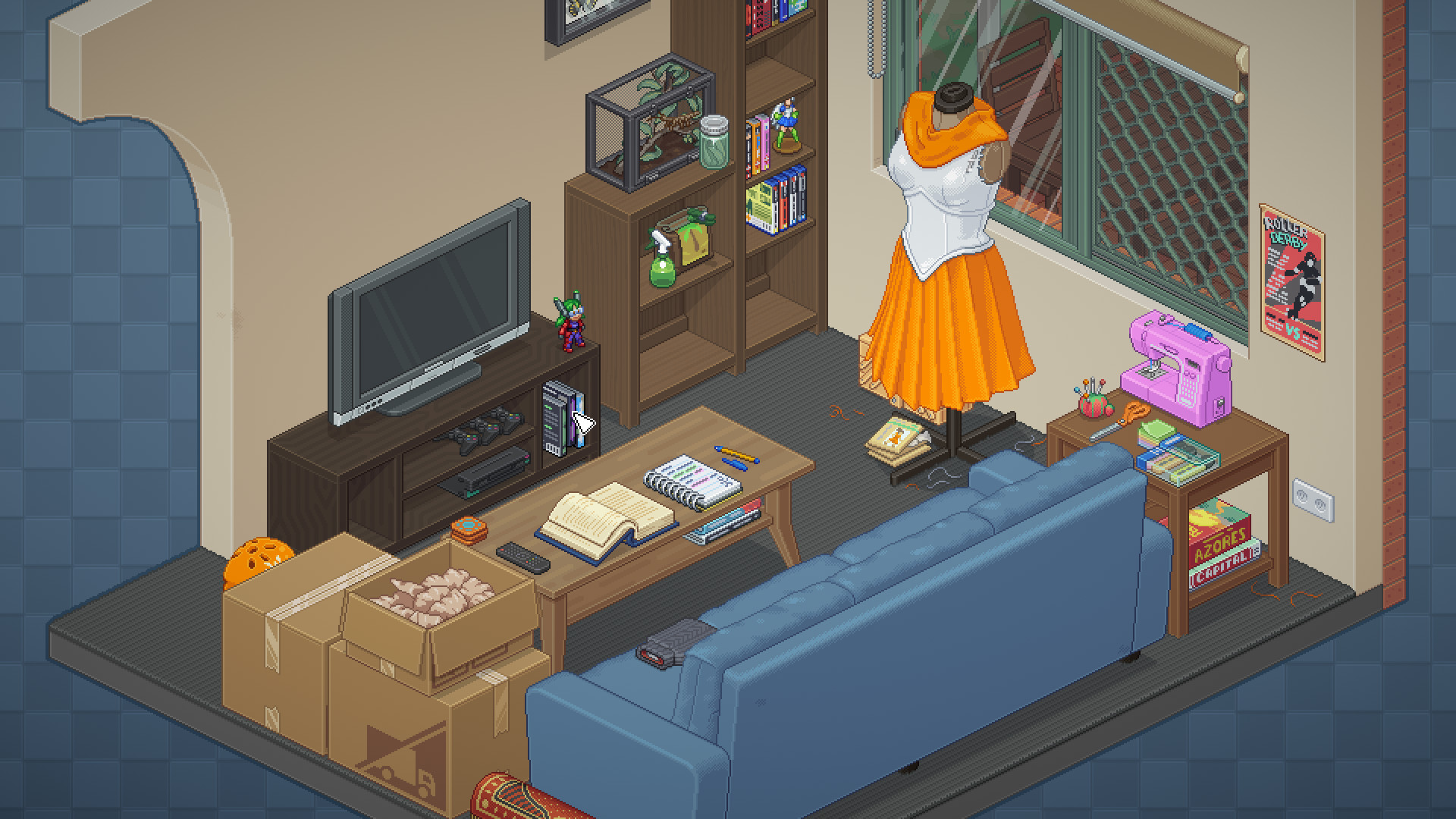
In the game Unpacking, players engage in a unique puzzle and organization experience that transcends mere item placement. The protagonist’s journey through different living spaces invites reflection on cultural context and personal sentiment, all while adhering to practical organization principles. Here’s how to navigate this intricate task effectively:
Understanding the Game’s Context
Unpacking serves as a meditation on the act of moving, where each item unfolds a narrative about the protagonist’s life. The game immerses players in a world where personal belongings reflect past experiences, values, and memories, emphasizing the importance of thoughtful placement as a means of storytelling. Each home presents its own set of unique challenges and opportunities for arrangement.
Tips for Organizing Items from Different Contexts
1. Observe the New Environment: Each space is distinct, featuring various types of furniture and room layouts. Your organization strategy should be informed by these characteristics. For instance, items like shoes are best placed in shoe racks, while art supplies find their rightful home on desks. This practical assessment should guide your decisions.
2. Respect the Storytelling Element: Every item belongs to the protagonist and holds sentimental value, meaning discarding possessions is not an option. Players must find a place for everything, regardless of the item’s cultural background. This emphasizes acceptance and integration of diverse elements into a cohesive home decor.
3. Start by Unpacking Entire Boxes: To facilitate organization, empty the contents of boxes onto the floor initially. This allows for a comprehensive overview of all items, making it easier to determine how best to distribute culturally or environmentally diverse objects within the new space.
4. Use Visual and Functional Cues: Consider the functionality of spaces when placing items. For example, umbrellas are typically stored in bins by entrances, framed photographs might adorn the walls, and delicate items such as statues can be displayed on shelves under mirrors. By applying these logical placements, you harmonize the clutter into visually satisfying arrangements.
5. Embrace the Puzzle-Like Nature: The joy of Unpacking resides in the challenge of creating a sense of order that feels appropriate for the given context. Players are encouraged to prioritize the aesthetic and practical dimensions of the arrangement over strict adherence to cultural placement conventions. This promotes a sense of universality, as the emotional connection to objects transcends their cultural origins.
Summary
In Unpacking, the act of organizing objects from different cultural or environmental contexts hinges on understanding and adapting to the new living spaces. By thoughtfully assessing the available furniture and room types, players can honor the protagonist’s relationship with their possessions. The game fosters a harmonious relationship between diverse belongings, bridging cultural differences through context-sensitive placements rather than rigid cultural interpretations.
This approach not only enhances the gameplay experience but also deepens the player’s appreciation for the character’s journey through varied environments, resulting in a rich narrative woven through the act of unpacking and arranging objects meaningfully.



Leave a Reply