
In the game Unpacking, the distinctive role of various objects serves as a sophisticated narrative device that weaves the protagonist’s life story across two decades and eight distinct living environments. This artful approach allows players to engage with the protagonist’s journey in a uniquely immersive manner, utilizing the objects she interacts with to unveil her personal evolution without the reliance on dialogue or traditional exposition.
Significance of Objects
The objects within Unpacking are essential in shaping the story and serve a multitude of storytelling functions:
1. Reflection of Life Changes and Growth: The assortment of items repurposes common moving scenarios into poignant reflections on the protagonist’s evolution. Throughout her relocation, players witness how her belongings change, mirroring her shifting priorities, relationships, and the overall trajectory of her life. Each item serves as a tangible marker of significant life milestones, emphasizing her journey from adolescence into adulthood.
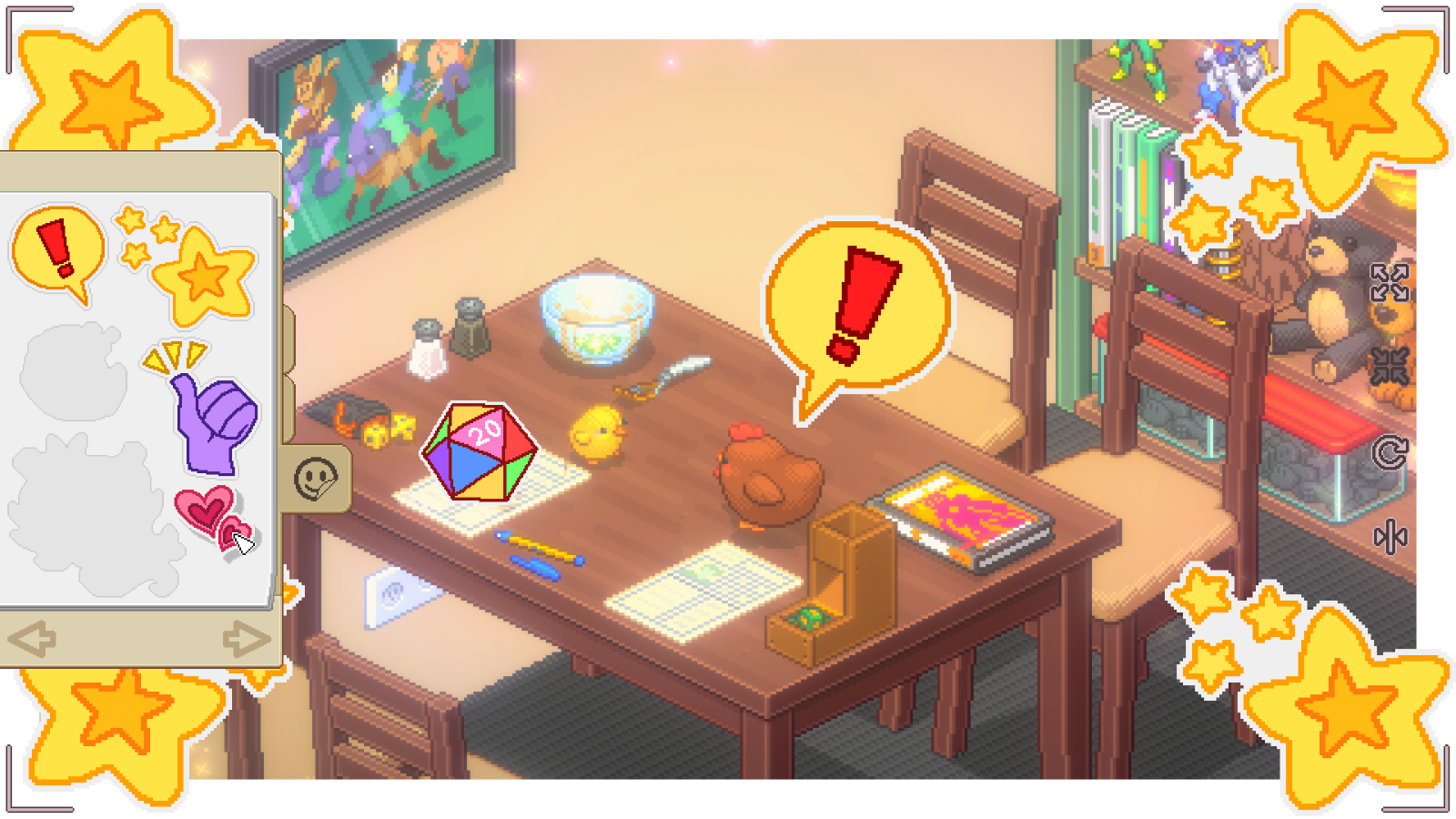
2. Emotional and Personal Connection: Many objects evoke deep emotional ties, encapsulating moments that define the protagonist’s life. For example, a shared mug or a vintage record player can symbolize cherished relationships or pivotal experiences, effectively allowing players to grasp elements of her identity and life story merely through association. Such items act as conduits through which the player can explore the emotional landscape of her existence.
3. Identity Exploration: The game subtly addresses themes of identity, particularly through the representation of queer elements. Some objects feature LGBTQ+ symbols and motifs, subtly narrating the protagonist’s journey of self-discovery and her exploration of bisexuality. This layering of identity through objects invites players to piece together the protagonist’s evolving sense of self, enhancing the narrative depth.
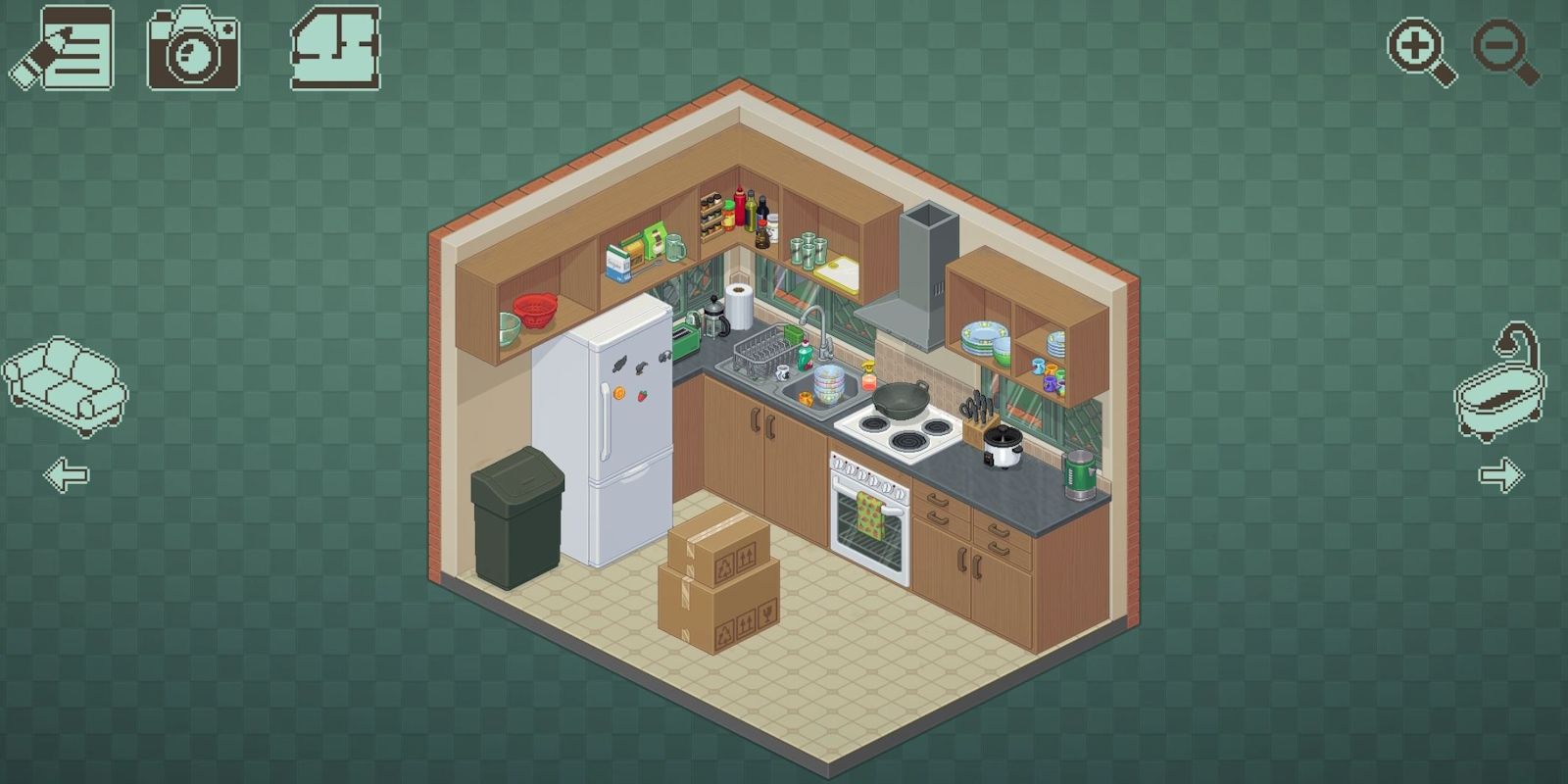
4. Environmental Storytelling: The physical spaces into which the objects are unpacked offer significant insight into the protagonist’s life context. Each level represents a unique living situation—such as a cramped college dorm or a cozy shared apartment—illuminating changes in her relationships and circumstances. By observing the environments in conjunction with the objects, players can infer pivotal life transitions, such as embracing independence or navigating companionship.
How Objects Tell the Story
The narrative emerges dynamically through several methods:
– Arrangement of Objects: Players’ freedom to place items in various configurations adds to the personal storytelling aspect of the game. Certain restrictions on how and where to place key sentimental items enhance the emotional weight of the narrative, reflecting the protagonist’s attachment to both the object and the memories it embodies.
– Changes Over Time: As players progress through the levels, they encounter both new items and the absence of old ones, embodying the natural ebb and flow of life. This progression allows a direct comparison of her past and present, fostering a reflective experience that underscores significant transformations in her self-concept and priorities.
– Environmental Clues: Each home and its context serve as a storytelling backdrop that contributes to understanding the protagonist’s evolving life circumstances. Observing shared spaces with friends or partners versus solitary living arrangements portrays shifts in social dynamics and personal growth.
Conclusion
Unpacking masterfully utilizes objects as powerful narrative devices, enabling players to piece together the protagonist’s life story vividly. This gameplay experience facilitates an exploration of themes such as identity, relationships, and personal growth through the lens of what we choose to keep and how we arrange the spaces we inhabit. The game’s unique approach to storytelling invites players to engage on an emotional level, making the act of unpacking not just a physical task, but a profound journey of self-discovery and reflection.



Leave a Reply