
In Wolfenstein II: The New Colossus, the presence of “Elite” Nazi units introduces a stark contrast to the regular soldiers in terms of their combat prowess and overall challenge. These units, often referred to as Black Guard or Deathshead Elite Units, serve multiple purposes in enhancing the game’s narrative of resistance against an oppressive regime but also in raising the stakes during gameplay.
Key Characteristics of Elite Nazi Units:
1. Armor and Durability:
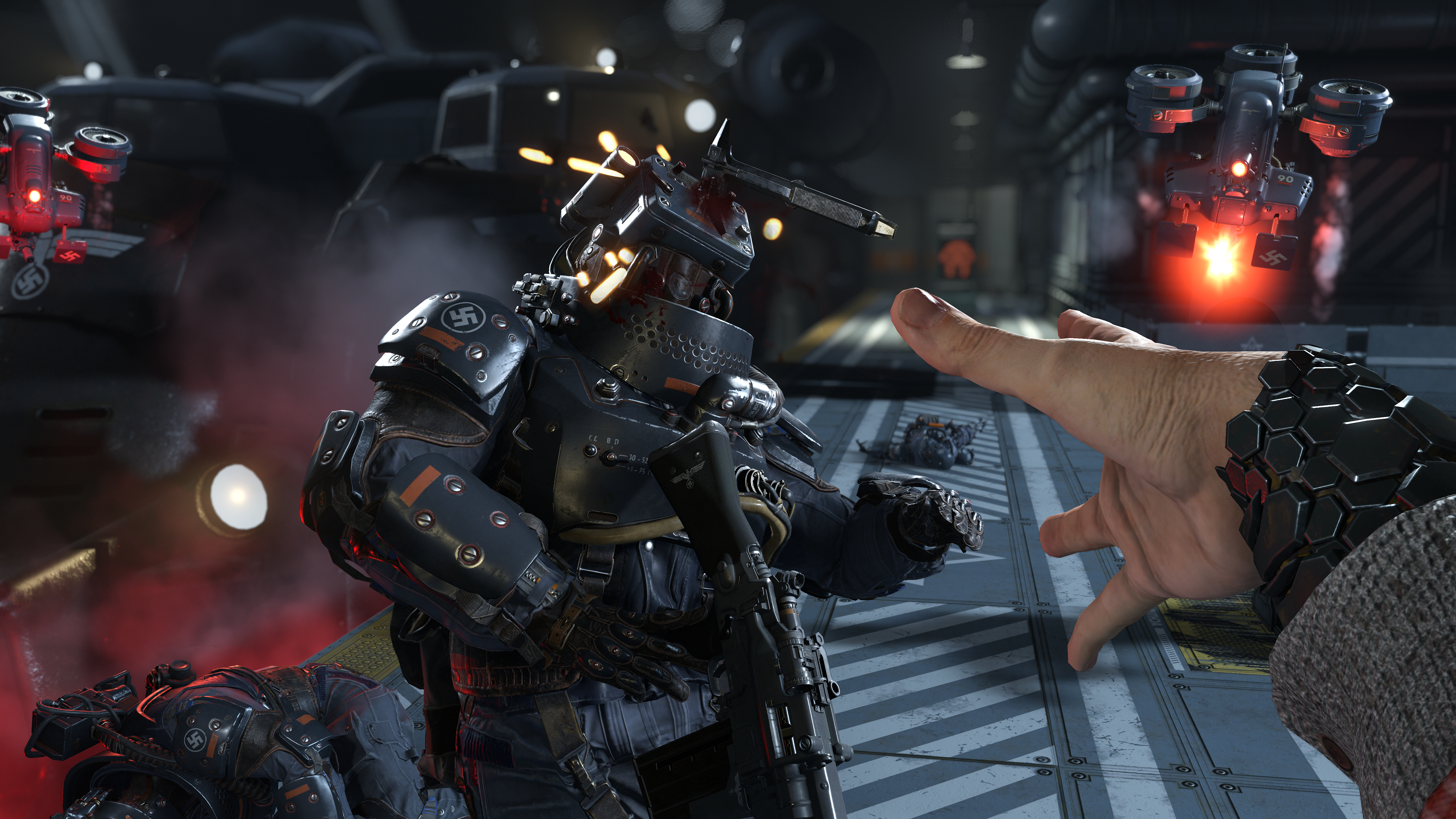
– Elite soldiers are outfitted with heavy armor, which contributes significantly to their effectiveness on the battlefield. This armor grants them approximately twice the durability or health relative to standard soldiers, making them formidable opponents who can withstand more damage before being taken down. Such durability not only heightens the challenge but also emphasizes the need for players to adopt specific strategies when engaging these foes.
2. Advanced Weaponry:
– The armament of elite units showcases their elite status. They typically wield high-caliber weapons such as the Sturmgewehr, a powerful automatic rifle that delivers increased firepower compared to the standard weaponry used by regular troops. Some elite units also utilize unique heavy weaponry like the Laserkraftwerk, which serves dual purposes: delivering devastating damage to enemy units and allowing players to interact with the environment, such as cutting through metal obstacles or disabling armored adversaries.
3. Tactical Engagement:
– Engaging elite units often requires players to rethink their combat strategies. The advanced weaponry and armor of these foes necessitate the use of upgraded firearms and specific tactics for effective engagement. For instance, utilizing the Laserkraftwerk with enhancements can not only simplify defeating heavily armored enemies but also open new pathways—encouraging players to explore gameplay mechanics creatively.
4. Variety of Elite Types:
– Beyond mere armor and weapons, elite units vary significantly in type. They include mechanized units and specialized troops such as Panzerhounds and Nazi Supersoldiers. Each of these brings unique abilities to the battlefield; for example, some can breathe fire or possess enhanced combat skills, challenging players to adapt accordingly based on the enemy type they face.
5. Melee Combat:
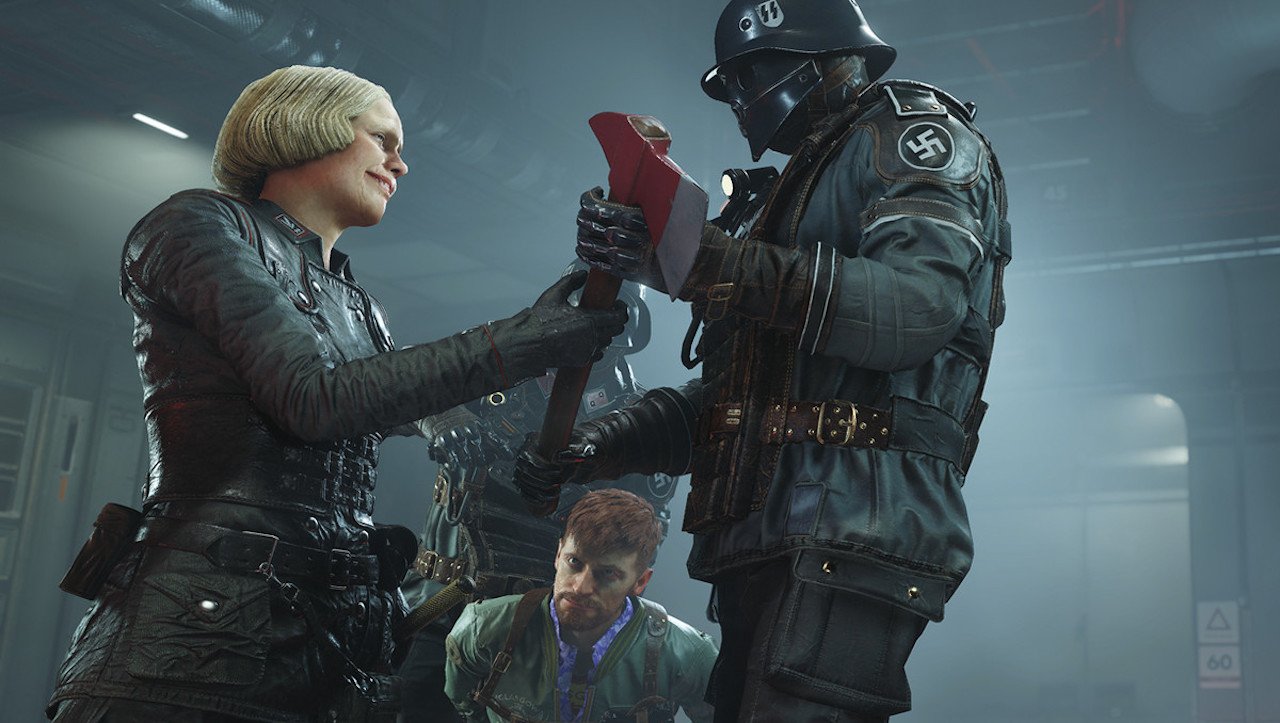
– The game also encourages brutal melee combat. Weapons like the Hatchet can be wielded against elite troops, showcasing the visceral and aggressive combat style that is a hallmark of the Wolfenstein series. This aspect reinforces a sense of empowerment for the player, as they can take down even the most armored enemies up close, adding a layer of strategic variety.
Conclusion:
In summary, “Elite” Nazi units in Wolfenstein II: The New Colossus elevate the challenge presented to players through their heavy armor, enhanced durability, and advanced weaponry. They require a more tactical approach to defeat, prompting players to employ different weapons and strategies tailored to the unique strengths of each unit type. This design choice not only enriches gameplay but also reinforces the narrative theme of the struggle against a powerful and technologically advanced oppressor.

Leave a Reply