
In Xenoblade Chronicles 3, the Chain Attack system serves as a cornerstone of strategic combat, giving players the opportunity to unleash powerful combos, heal allies, impose debuffs, and deal substantial damage while maintaining gameplay fluidity. Understanding the mechanics surrounding Chain Attacks is essential for optimizing performance in battles, as multiple elements come together to influence outcomes.
Chain Attack Overview
1. Initiation: Chain Attacks are triggered when the Chain Attack gauge reaches its full state. Players can activate a Chain Attack by pressing the ‘+’ button, marking the beginning of a tactical combat round.
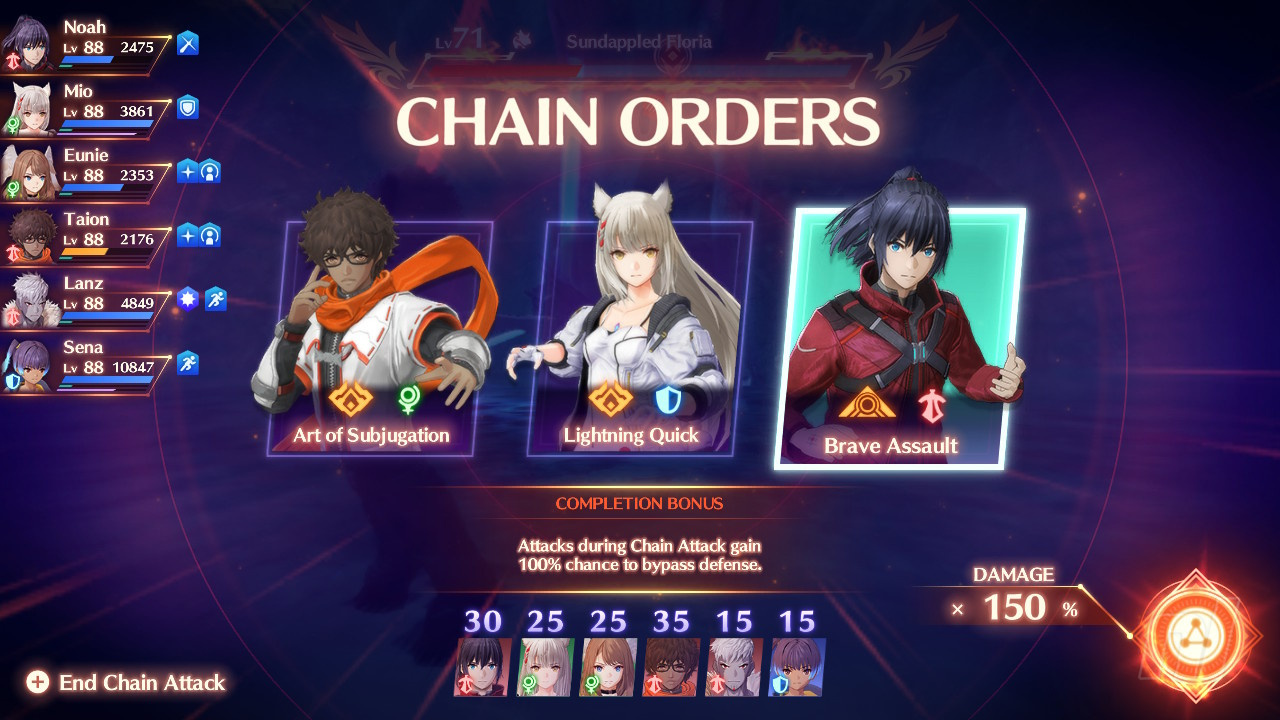
2. Chain Orders: At the onset of a Chain Attack, players are presented with three randomly selected Chain Orders derived from the available orders of party members. Choosing the appropriate order is critical to maximizing the attack’s effectiveness.
3. Chain Order Effects: Each character possesses a unique Chain Order tailored to their abilities. For instance:
– Mio’s Chain Order: Reduces Aggro for both Attackers and Healers, allowing players to maintain control over enemy targeting.
– Noah’s Chain Order: Offers a chance to skip past the enemy’s defensive stats, enabling a more direct damage application.
4. Chain Art: Following the selection of a Chain Order, the corresponding character will conclude their turn using a Class-specific Chain Art, designed to further enhance the effectiveness of the attack based on their equipped class.
Influence on Damage Output and Bonus Effects
1. Chain Order Selection:
– Aggro Control: Orders like Mio’s can be pivotal in controlling enemy aggro, allowing for strategic planning around party survivability.
– Defense Bypass: Noah’s Chain Order is particularly effective for maximizing damage by ignoring elements of enemy defense.
– Completion Bonuses: Each Chain Order carries its own set of Completion Bonuses, impacting damage, healing capabilities, or status effects, providing a layered strategy for Chain Attacks.
2. Chain Attack Arts:
– Class-Specific Arts: The final attack performed by each character varies with their class, offering diverse Chain Arts that may deal extra damage or provide restorative effects.
– Synergy and Combination: The interplay between selected Chain Orders and Chain Arts can yield formidable synergies. For example, executing a defense-bypassing Chain Order followed by a damage-heavy Chain Art can significantly amplify overall damage potential.
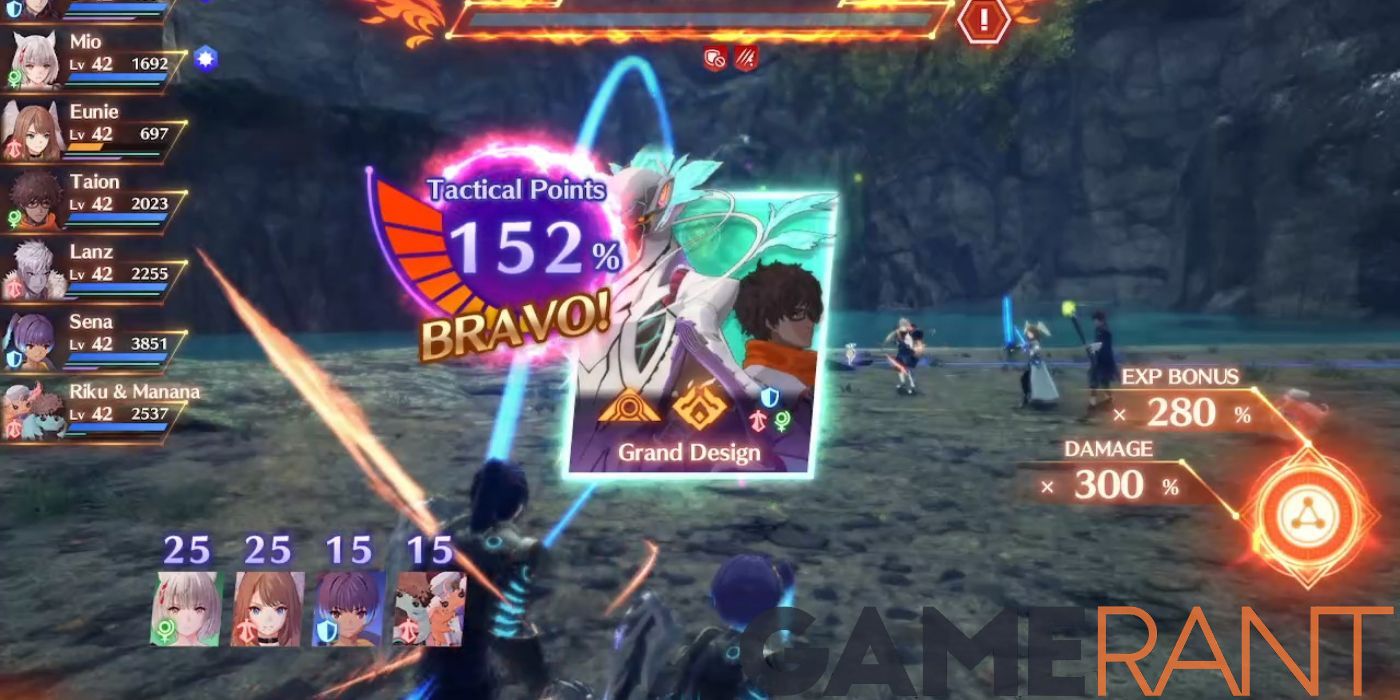
3. Tactical Points (TP) Gauge:
– Building TP: Engaging in a Chain Attack allows players to accumulate points for the TP Gauge through successful hits and actions, which are crucial for extending the duration of the Chain Attack and executing multiple Chain Arts.
– TP-Based Effects: Certain Chain Arts or Orders may yield heightened effects if the TP Gauge is fully charged, enhancing the overall potency of the Chain Attack.
Strategic Considerations
1. Gauge Management: Effective management of both the Chain Attack and TP Gauge is paramount. Players should strategically select Chain Orders to balance gauge consumption with maximized output and additional benefits.
2. Party Synergy: Aligning character selections for Chain Orders and Chain Arts can optimize party effectiveness. Coordinated actions, such as using an Aggro-reducing Chain Order followed by a healing Chain Art, bolster resilience during skirmishes.
Conclusion
In summary, mastering the Chain Attack system in Xenoblade Chronicles 3 involves a deep understanding of Chain Orders and Chain Arts. Players must navigate the unique abilities of their party members to extract maximum output from these attacks, leading to enhanced combat proficiency. By strategically leveraging both the Chain Attack and TP gauges, as well as emphasizing party synergy, players can significantly influence the tide of battle and achieve thrilling victories.


Leave a Reply