
When preparing your army for battle in Total War: Warhammer III, strategic positioning is crucial for gaining a tactical edge. Below are essential factors to consider that will help you organize your forces effectively:
1. Formation and Front Line Setup
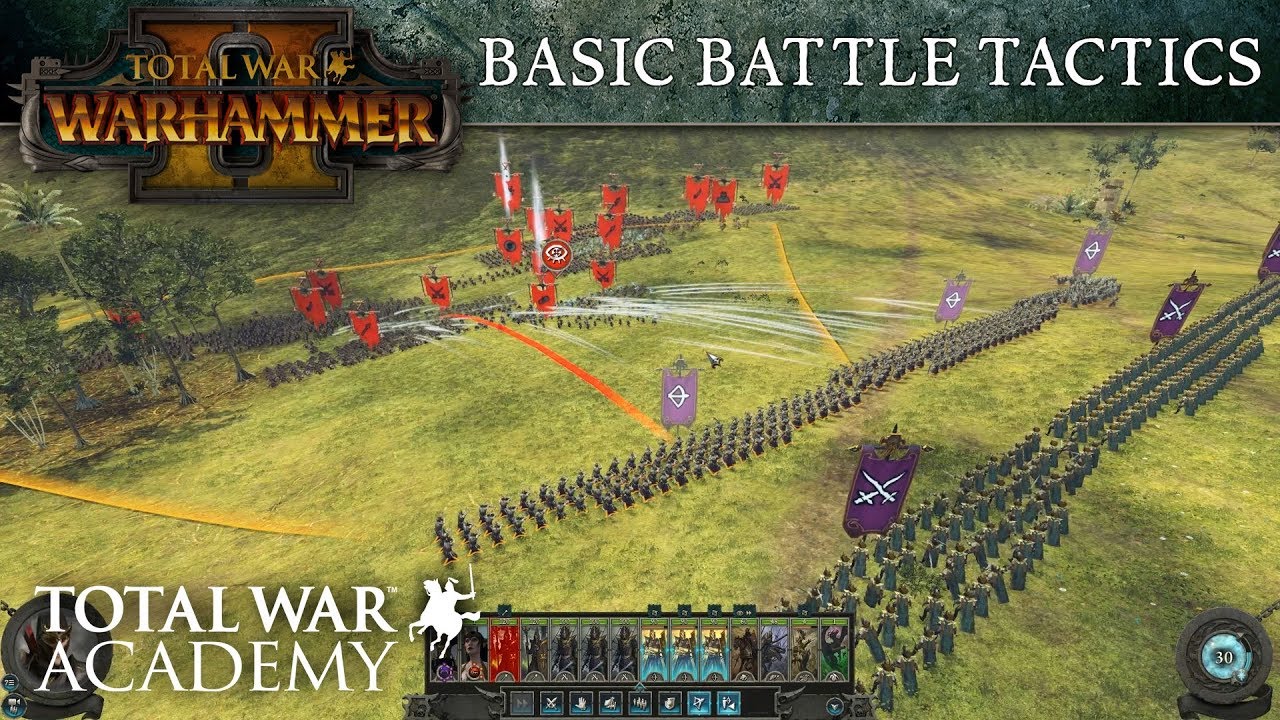
– Construct a Strong Front Line: Deploy at least six infantry units in a broad line to create a robust defensive barrier against enemy advances. This setup mirrors historical formations where a wide front minimizes vulnerability.
– Utilize Staggered Patterns: Implementing a staggered or checkerboard pattern leads to better unit spacing, preventing a single enemy spell (such as wind spells) from affecting multiple units simultaneously. This formation limits gaps and enhances your defensive capabilities.
– Position Anti-Large Units on Flanks: Ensuring that units specifically trained to counter large threats, like spearmen and halberdiers, occupy flank positions is vital. These troops can defend against potential cavalry charges, which typically exploit vulnerabilities along your sides.
2. Flanking and Mobility
– Reserve Fast Units for Flanking: Keeping faster units, such as cavalry and certain infantry like Witch Elves or Demons, positioned on the flanks or behind your frontline allows for quick maneuvers. This tactic can disrupt enemy formations and create openings for an effective assault on their rear.
– Leverage Multi-Directional Attacks: Utilizing flanking maneuvers forces enemies to face threats from multiple angles, leading to morale damage and diminishing their leadership. This can prompt quicker routs, giving you the upper hand in engagements.
3. Ranged and Artillery Placement
– Protect Ranged Units: Place your ranged units, such as archers and skirmishers, behind your infantry line to ensure they can fire without being exposed to direct enemy charges. While some choose to deploy ranged units ahead for early engagement, this can leave them vulnerable.
– Secure Artillery in Safe Areas: Deploy artillery units in the rear or on the flanks where they have a clear line of fire. They should remain protected from melee encounters, as their lack of mobility can make them easy targets if surrounded.
4. Unit Synergy and Counter-Charges
– Create Synergistic Formations: Place offensive infantry behind your defensive units so that the frontline can absorb enemy charges. This allows your offensive units to counter-attack engaged enemies, maximizing your damage output and maintaining pressure on the foe.
– Incorporate Heroes for Flexibility: Position your heroes within your ranks to support the formation. They can help pin down enemy units, enabling your frontline to execute counter-charges more effectively and enhancing overall strategic adaptability.
5. Terrain and Choke Points
– Adapt to Terrain Features: Consider the battlefield layout, utilizing choke points like narrow passages to stack your units and restrict enemy movements. This strategic positioning can significantly enhance your defensive posture and control over vital areas.
– Control Key Area: Position your units to dominate vital locations that limit enemy movement. By controlling these areas, you can force opponents into engagements on your terms, often leading to advantageous combat scenarios.
—
By effectively combining these strategic principles—solid front lines with staggered formations, mobile flanking forces, protected artillery, and a keen awareness of terrain—you can significantly enhance your positioning for the intricate tactical battles of Total War: Warhammer III. Each of these elements plays a vital role in shaping the outcome of engagements, ultimately leading to victory on the battlefield.


Leave a Reply