
Guide to Navigating Plants and Resources in Ultros
Ultros presents a vibrant and intricate world where understanding the interaction between plants, resources, and the environment is crucial for success. This guide will help you identify safe and dangerous plants and resources, as well as provide tips for effective navigation through the game’s mechanics.
Understanding Plants and Resources
1. Plant Varieties and Uses
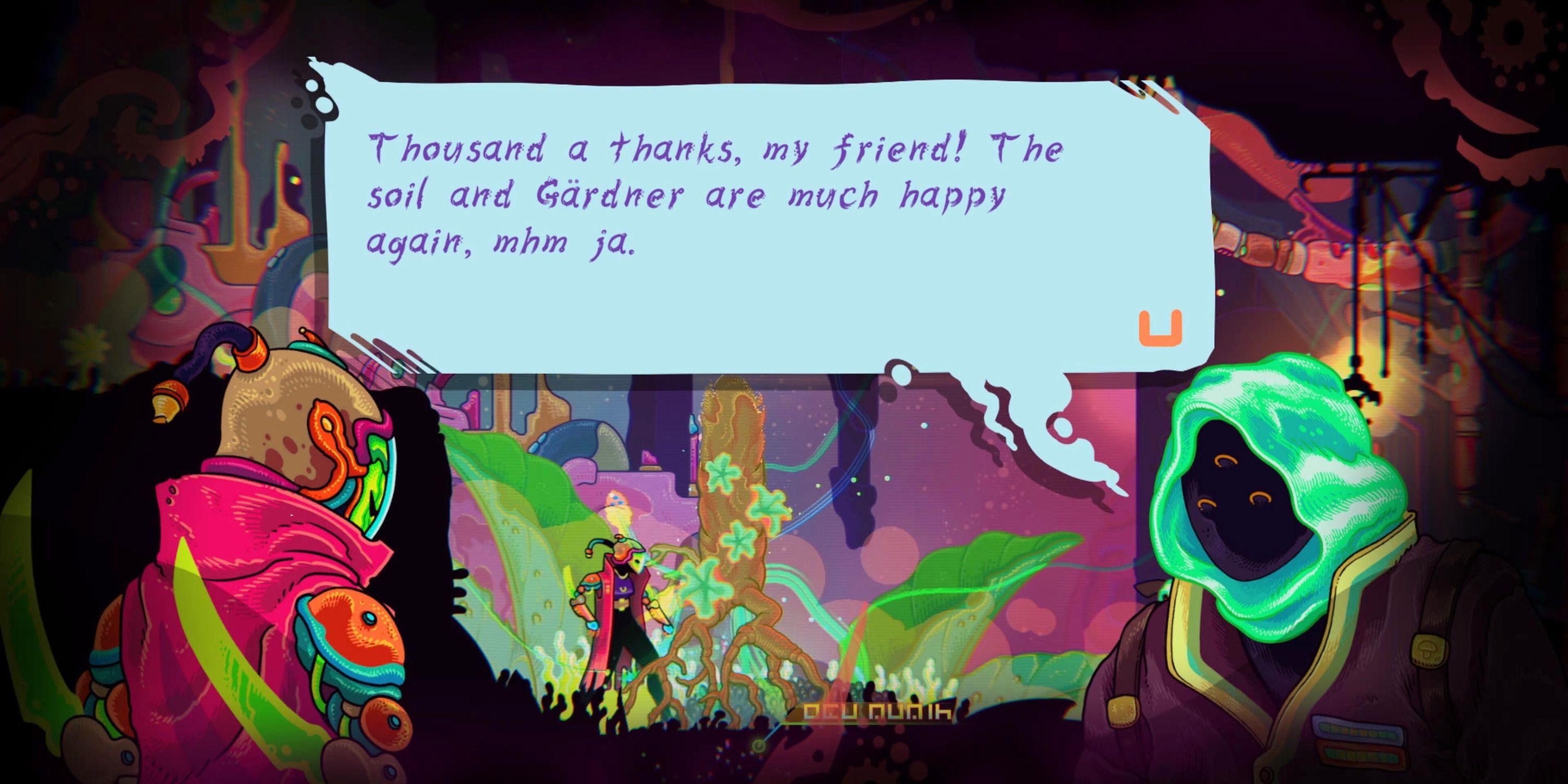
– In Ultros, you will encounter 10 different seed types that develop into unique plants. Each plant has its own functionality, such as acting as platforms or providing vines for swinging. These functionalities are not labeled, prompting players to experiment to discover what each plant can do. For example, planting Ogu Mumin seeds will produce trees that yield nutritious food, contributing to your character’s statistical enhancements.
2. Soil Health
– The health of the soil in which you plant seeds is pivotal. Soil health remains a hidden attribute until you acquire the Reader extractor upgrade. It influences the growth potential of plants, affecting details like root strength and quantity. Maintaining healthy soil conditions is essential for optimal plant development and ensuring your resources flourish.
3. Resource Management
– Resources such as fruits and enemy parts are critical to character progression within Ultros. Use them strategically for healing, unlocking skills, or enhancing your character. However, some resources might not yield immediate benefits. To maximize the potential of your resources, consider using surplus items as compost to promote future plant growth, thus creating a sustainable cycle of resource generation.
4. Dangerous Resources
– While Ultros may not label certain plants or resources as dangerous, some can grow in hazardous environments. For example, Gigoma, a yellow slime, can foster plant growth but poses risks if the plant becomes top-heavy, risking it collapsing under its own weight. Overgrown plants could create obstacles or hazards in your path, suggesting the need for careful management.
Identifying Safe vs. Dangerous Elements
– Experimentation: The most effective way to assess the safety of different plants and resources is through trial and error. Plant seeds in diverse environments to observe their behaviors and effects on gameplay.
– Observation: Watch how plants interact with their surroundings. Some may hinder progress or introduce challenges if not maintained properly. Observing their growth patterns may provide insights into their potential risks or benefits.
– Resource Utilization: Manage your resources prudently. For instance, rather than hoarding unnecessary fruits, consider feeding them to enemies to enrich the soil for future cultivation. Conversely, consuming resources that provide immediate benefits at appropriate times can significantly enhance your capabilities.
– Skilled Plant Management: Unlock skills such as Track Gardens to manage your plantations effectively across game cycles. This can help prevent resource wastage and allow for strategic planning regarding future garden placements.
Conclusion
In Ultros, navigating the world safely hinges more on your resource management skills and understanding plant growth mechanics rather than on the outright identification of dangerous elements. By experimenting with different seeds, observing their behaviors, and optimizing resource use, players can thrive in this psychedelic Metroidvania landscape. Master these concepts, and you’ll successfully enhance your journey through Ultros.




Leave a Reply