
Overview of Character Interactions in Venba
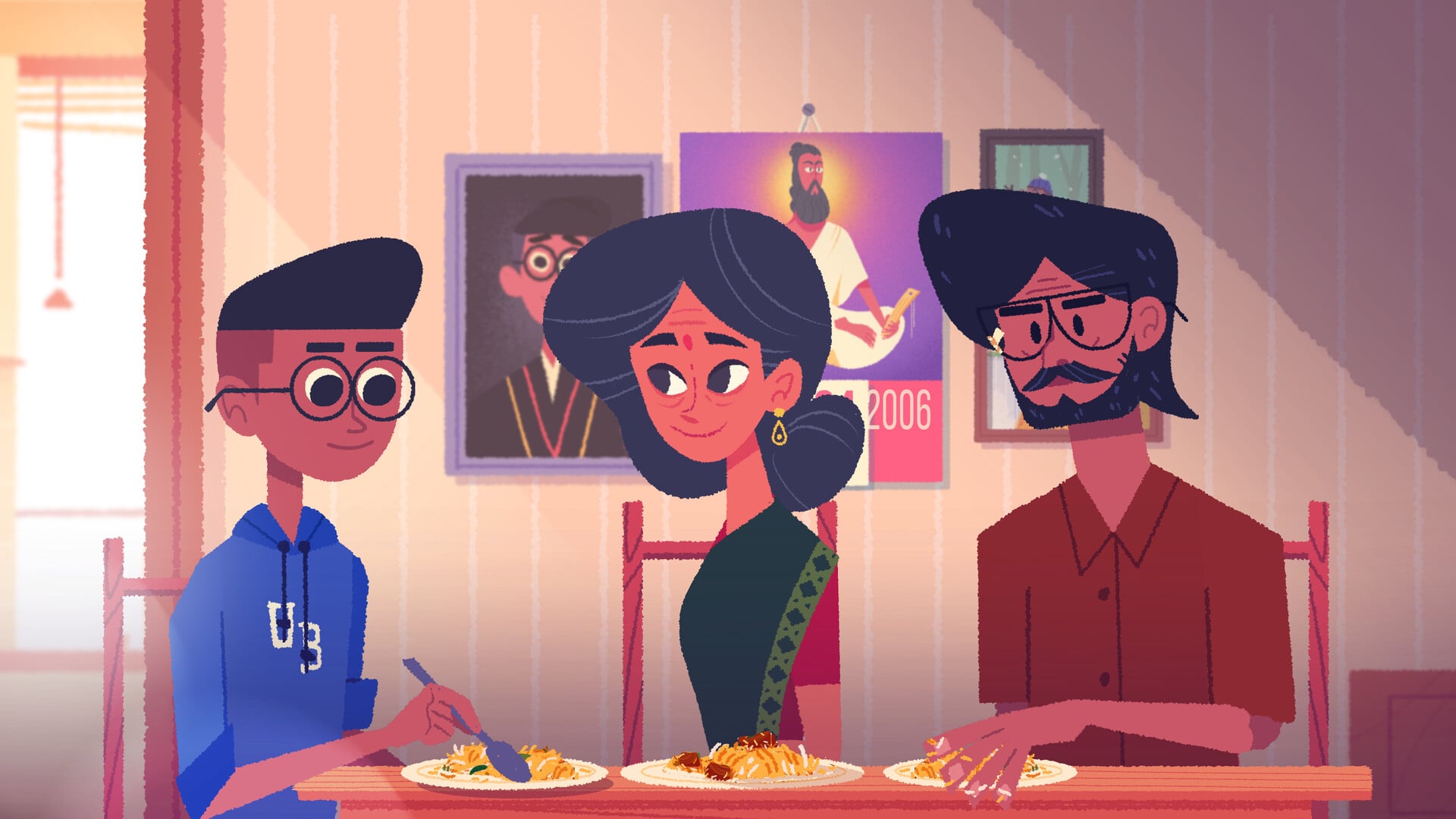
In Venba, player engagement unfolds through a blend of dialogue-driven storytelling and interactive cooking sequences. This unique narrative approach, rooted in Tamil culture, not only enriches the gameplay but also delves into the complexities of immigrant family life. Below, I provide a detailed examination of the game’s narrative structure, interaction mechanics, and thematic elements that set it apart from other cooking games.
—
1. Narrative Structure
Venba employs a chapter-based storytelling format that intricately weaves cooking and narrative elements:
– Cooking Segments: Players engage in the preparation of traditional Tamil dishes, utilizing a puzzle-like mechanic to reconstruct recipes from a damaged book. This hands-on experience serves as a vehicle for storytelling, allowing players to connect with the cultural traditions being depicted.
– Dialogue Interludes: Throughout and after the cooking sessions, character conversations occur, often directly related to the dishes being prepared. These dialogues are designed to reveal important aspects of the characters’ lives, cultural backgrounds, and familial relationships.
2. Interaction Mechanics
The interaction style in Venba stands out due to its focus on narrative immersion rather than direct player choices:
– Automatic Dialogue Progression: Conversations unfold organically without the player having to make dialogue choices, propelling the story forward. This design choice places emphasis on narrative over interactivity, allowing players to experience the emotional and cultural significance of the story as passive observers.
– Contextual Insights: Characters share insights about the significance of various dishes, the immigrant experience, and their interpersonal dynamics during cooking segments. This context enriches the player’s understanding of the emotional weight behind the culinary traditions being represented.
– Radio Backdrop: The inclusion of Tamil music, such as “Kanni Kanini” and “Nee Dhaane,” enhances the emotional atmosphere of the cooking segments. This auditory element serves to deepen the player’s immersion and connection to Venba’s experiences and emotional state.
3. Post-Cooking Interactions
The story arc spans several decades, with meaningful transitions evident in both character development and environmental storytelling:
– Time Jumps and Life Stages: The narrative evolves through significant life events, illustrated through character growth, particularly that of Kavin, Venba and Paavalan’s son. Post-cooking scenes depict changing attitudes toward family heritage, reflecting the shifts in his identity.
– Environmental Storytelling: Subtle changes in the game’s environments—such as decor and visual memorabilia—represent the evolving nature of the family’s relationships. Players can observe these shifts, which add depth to the narrative without necessitating overt storytelling.
Key Example
An illustrative moment in the game occurs during the preparation of a potato stew, where Venba recalls her childhood experiences associated with the dish. This scene not only blends the cooking mechanics with character development and bonding but also portrays the meaningful connections between food and memory.
—
Comparison with Similar Games
Venba distinguishes itself from typical cooking games through its focus on narrative richness and cultural significance:
| Feature | Venba | Other Cooking Games (e.g., Cooking Mama) |
|——————|——————————————-|——————————————|
| Dialogue | Narrative-driven with automatic progression| Minimal dialogue or none |
| Cultural Focus | Explores immigrant family dynamics | Primarily focused on cooking mechanics |
| Music | Original Tamil tracks | Generic upbeat tunes |
—
In summary, Venba presents a unique narrative experience by integrating cooking with a heartfelt exploration of cultural identity and familial bonds. Its emphasis on passive storytelling allows players to engage deeply with the characters’ emotional journeys, setting it apart from more traditional cooking games.


Leave a Reply