
Response: Understanding Artificial Intelligence
Artificial Intelligence (AI) encompasses a wide range of technologies aimed at simulating human intelligence in machines. This innovative field is increasingly integral to our daily lives and has transformative potential across various sectors.
Key Aspects of AI
1. Definition
– AI refers to the ability of machines to execute tasks that would typically necessitate human cognitive functions, about learning, reasoning, problem-solving, perception, and decision-making. It covers advanced functions such as image analysis, speech recognition, and natural language processing, positioning machines to perform with more autonomy and intelligence than ever before.
2. Technologies
– Machine Learning (ML): An integral aspect of AI, ML involves developing algorithms that allow computers to learn from data. By processing large datasets and identifying patterns, ML enables more efficient data analysis and predictive capabilities.
– Deep Learning: A more advanced subset of ML, deep learning utilizes neural networks with multiple layers to replicate human brain functions. This technique has proven particularly effective in complex tasks such as image recognition and natural language processing, significantly advancing the capabilities of AI systems.
– Natural Language Processing (NLP): This area focuses on bridging the gap between human communication and machine understanding. NLP enables computers to read, interpret, and respond to human language, making it essential for applications such as chatbots and voice-activated assistants.
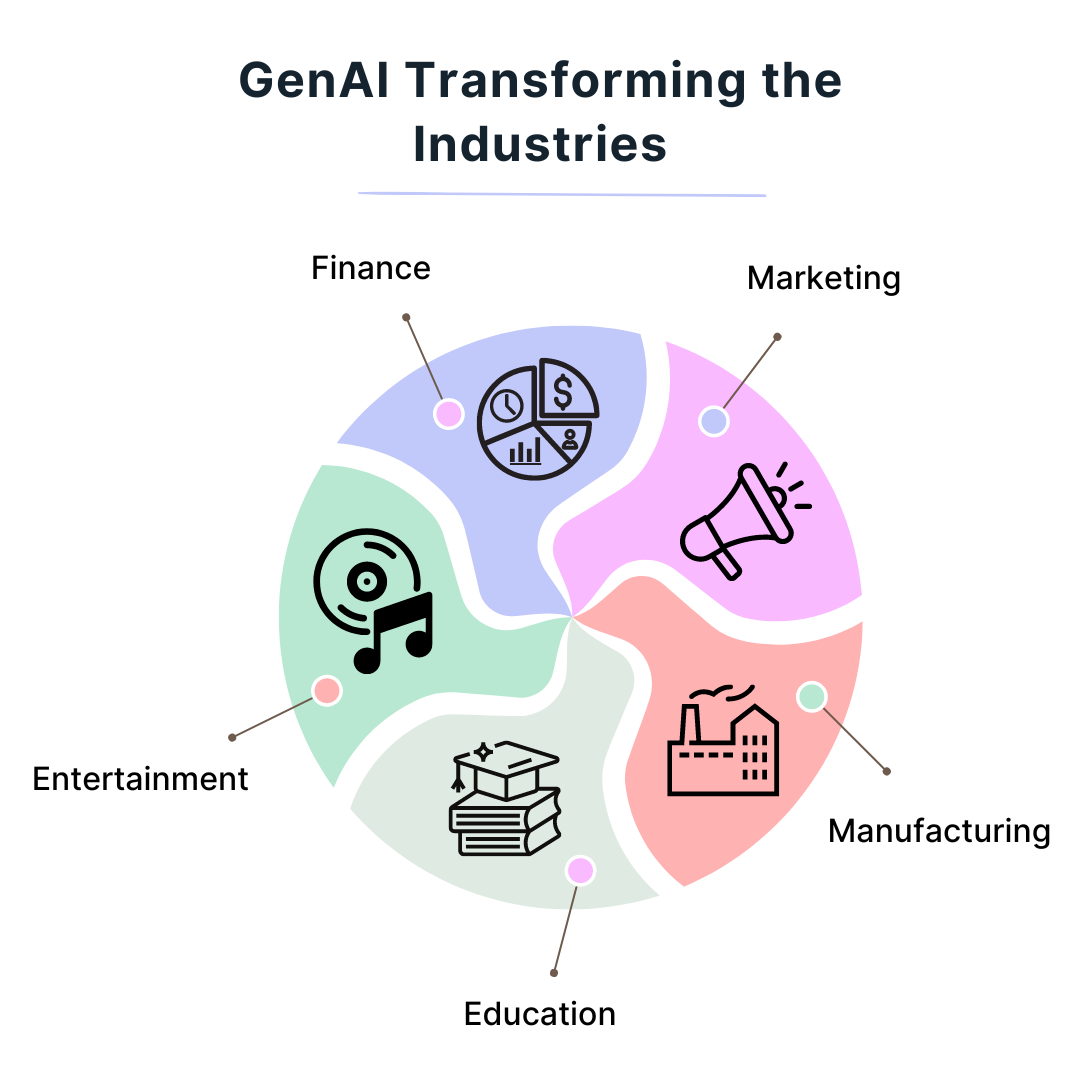
– Generative AI: This technology specializes in creating new content—ranging from text to images and music—based on learned patterns. Generative AI is increasingly utilized in creative industries, allowing for novel designs and conceptual innovations driven by user input.
3. Applications
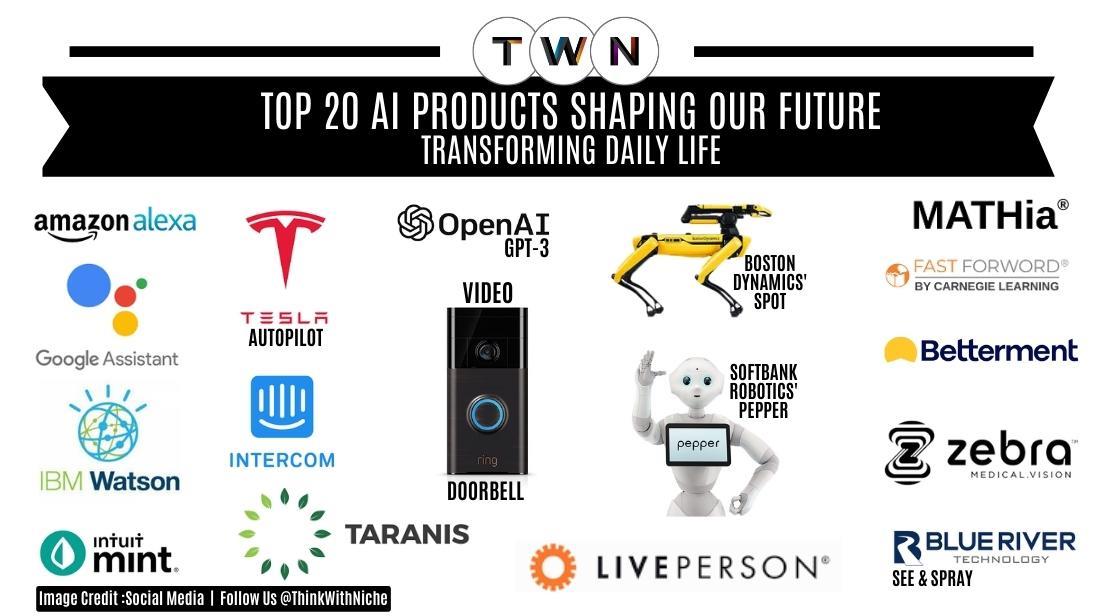
– AI’s applications are vast, prominently featuring in web search engines, recommendation systems, and virtual assistants. It supports the development of autonomous vehicles and enhances gameplay in strategic games, leading to superhuman levels of analysis and performance.
– In the business sphere, AI facilitates data analytics, predictive modeling, intelligent data retrieval, and process automation, empowering organizations to allocate human resources to more strategic initiatives and improve operational efficiency.
4. Ethics and Risks
– Despite its numerous benefits, AI raises significant ethical concerns. Issues of bias, the potential for harmful content creation, and the displacement of jobs highlight the importance of ethical considerations in AI development. As AI systems often operate in “black box” modes, understanding and addressing embedded biases and ethical implications becomes crucial in creating fair and responsible AI solutions.
Summary
In summary, Artificial Intelligence represents a frontier in technology, enabling machines to carry out functions that require human-like intelligence. Its breadth spans multiple disciplines, including machine learning, deep learning, natural language processing, and generative design. The continuous evolution of AI is revolutionizing various industries—healthcare, finance, education, and transportation, among others. However, as this technology progresses, addressing the ethical ramifications and ensuring that AI benefits society as a whole remain paramount. This holistic understanding of AI’s capabilities, applications, and implications is essential for both developers and users to harness its full potential responsibly.


Leave a Reply